


 Price Match Guarantee
Carrier Furnace Motor Parts
Find the right part faster
Multiple models matched. Select your model to confirm fit.





The 349336-761 Draft Inducer Motor is essential for enhancing the efficiency of your furnace's ventilation system. To prevent carbon monoxide from leaking into your home, we recommend replacing the draft inducer gasket or using high-temp silicone sealant when servicing the motor or inducer fan.

Furnace draft inducer motor kit. The draft inducer motor draws air into the burner and exhausts it out the flue. If the draft inducer motor is defective, the furnace may not heat.

Furnace draft inducer motor. The draft inducer motor draws air into the burner and exhausts it out the flue. If the draft inducer motor is defective, the furnace may not heat.

Furnace draft inducer motor with cooling fan. Be aware that the screw holes are not threaded—you will need to use self-tapping screws to install the motor.

Inducer motor assembly. This assembly is designed for 40, 60, 80, and 100 thousand BTU model furnaces. Your furnace's BTU rating may be listed on the model number tag. You can also determine the rating from your model number—the 3-digit number preceding the hyphen indicates the BTU rating.
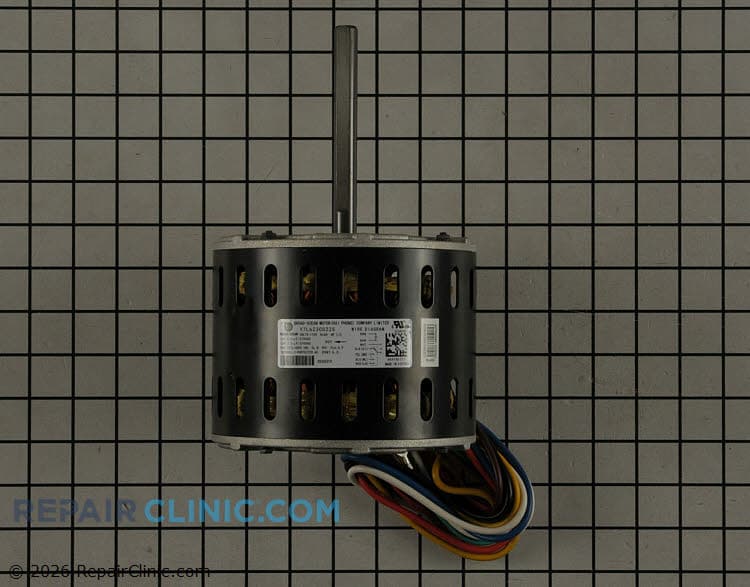
Furnace blower motor. This single-phase motor has the following specifications:
Horsepower: 1/3
Voltage: 115
Full-Load Amperage: 5.2
Hertz: 60
RPM: 1075
Speeds: 4
Rotation: Counterclockwise
Frame: 48
Enclosure: Open
Shaft Length: 3.9”
RC Item #4983279
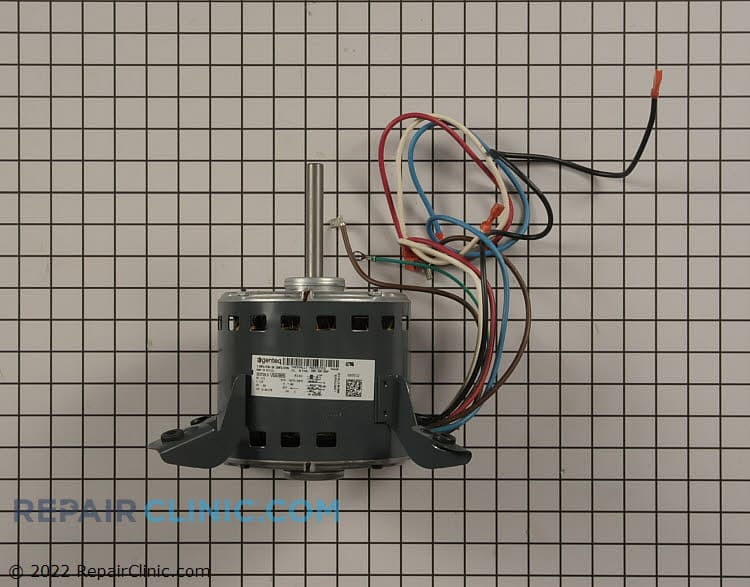
Update your furnace with HC43TQ113 Fan Motor, engineered for optimal performance and reliability. This 1/2 HP motor operates at 115 volts and 1075 RPM with three speeds, ensuring efficient airflow and consistent temperatures. This genuine OEM part is ideal for Bryant, Carrier, and Payne furnaces.

Furnace draft inducer motor kit. The draft inducer motor draws air into the burner and exhausts it out the flue. If the draft inducer motor is defective, the furnace may not heat.
RC Item #2347726
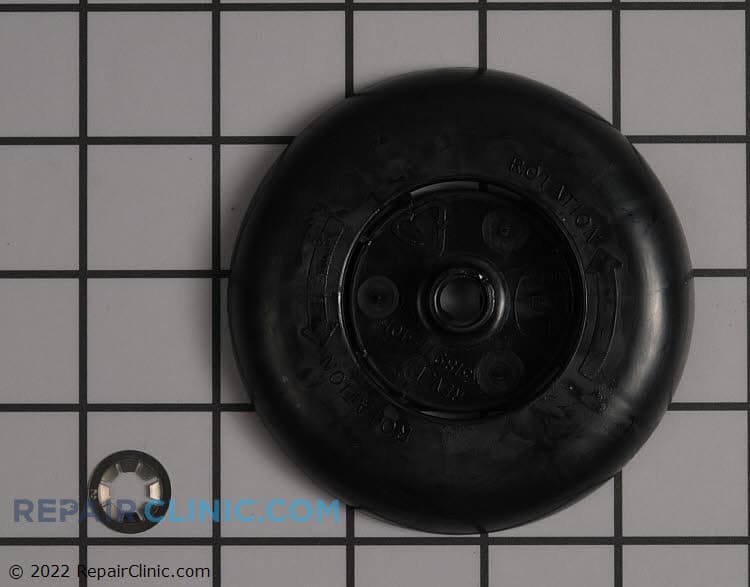
Black Plastic Cooling Blade

Furnace draft inducer motor. The draft inducer motor draws air into the burner and exhausts it out the flue. If the draft inducer motor is defective, the furnace may not heat.

Draft inducer fan motor. *Motor only. The draft inducer motor draws air into the burner and exhausts it out the flue. If the draft inducer motor is defective, the furnace may not heat.
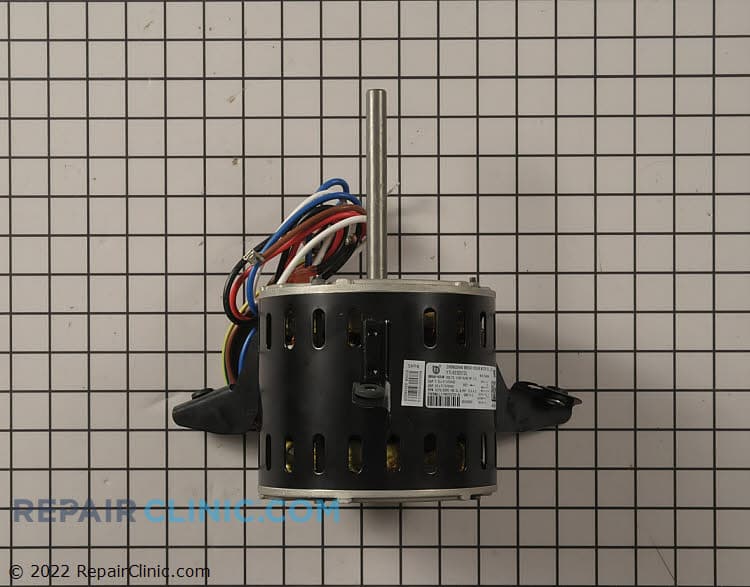
Blower Motor - 1/3HP 115Volts 60Hz 4.8 amp 1075 RPM's 3 Speed Open Enclosure 48Y Frame Single Phase CCW 4.73" Shaft

Furnace draft inducer motor. The draft inducer motor draws air into the burner and exhausts it out the flue. If the draft inducer motor is defective, the furnace may not heat.
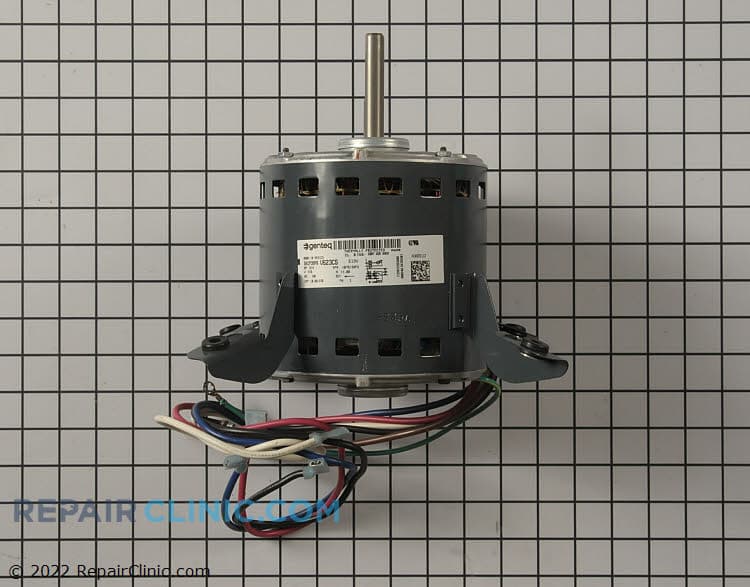
Furnace blower motor:
Horsepower: 3/4
Voltage: 115
Full-Load Amperage: 11
Hertz: 60
RPM: 1075
Speeds: 3
Rotation: Counterclockwise
Frame: 48
Enclosure: Open
Shaft Length: 4"

Furnace draft inducer motor. The draft inducer motor draws air into the burner and exhausts it out the flue. If the draft inducer motor is defective, the furnace may not heat.


Carrier Furnace Blower and Inducer Motors
Carrier furnace motors fall into two critical categories: the blower motor that moves heated air through your home, and the draft inducer motor that evacuates combustion gases before ignition. When either motor fails, your furnace won't heat — and often won't even start a cycle. Blower motor failures show up as weak airflow or no heat distribution; inducer motor problems trigger pressure switch errors or prevent ignition entirely.
Both motors rely on run capacitors to start and run smoothly. If your motor hums but doesn't spin, or spins slowly, a failed capacitor is often the culprit — a $15 to $30 fix that saves the motor itself. OEM Carrier motors maintain the correct HP rating and mounting flange for your model, ensuring proper airflow and pressure switch function.
- Blower motor won't run or runs slowly: Check capacitor first; if motor still won't turn, replace the motor assembly
- Weak airflow from registers: Inducer or blower motor failure; also check air filter and ductwork blockage
- Furnace clicks but won't ignite: Draft inducer motor must run first; if it fails, pressure switch never closes and ignition is blocked
- Rattling or grinding noise from furnace: Motor bearing wear; replace motor to prevent complete failure
- Motor hums but won't start: Run capacitor has failed; inexpensive replacement restores motor function
Find Replacement Carrier Furnace Motor Parts Online by Model or Part Number
Popular Carrier Furnace Models
Related Carrier Furnace Motor Parts
- Carrier Furnace Blower Motor Parts
- Carrier Furnace Draft Inducer Motor Parts
- Carrier Furnace Motor Parts
- Carrier Furnace Condenser Fan Motor Parts
- Carrier Furnace Armature Parts
- Carrier Furnace Blower Wheel and Housing Parts
- Carrier Furnace Piston Parts
- Carrier Furnace Draft Inducer Motor Assembly Parts
- Carrier Furnace Drive Motor Parts
- Carrier Furnace Fan Motor Parts
- Carrier Furnace Vent Fan Motor Parts
- Carrier Furnace Cooling Fan Parts
- Carrier Furnace Draft Inducer Blower Wheel Parts
- Carrier Furnace Motor Support Parts
Carrier Furnace Motor FAQs
What's the difference between a blower motor and an inducer motor in a Carrier furnace?
The inducer motor is the first part to run in a heating cycle — it evacuates combustion gases from the heat exchanger and creates a vacuum that triggers the pressure switch to allow ignition. The blower motor runs after heat is generated and pushes warm air through your ducts. If the inducer fails, the furnace won't ignite. If the blower fails, the furnace ignites but produces no usable heat.
How do I know if my Carrier furnace motor capacitor has failed?
A motor that hums loudly but won't spin, or spins very slowly, is almost always a capacitor issue. The capacitor stores electrical energy to kick-start the motor. When it fails, the motor can't generate starting torque. A failed capacitor is a $15 to $30 fix — much cheaper than replacing the motor itself. Always check the capacitor before condemning a motor that won't start.
Can I use a universal blower motor, or do I need an OEM Carrier motor?
While some universal motors exist, Carrier furnaces are engineered for specific HP ratings and mounting flanges. Using an undersized motor reduces airflow and efficiency; an oversized motor can damage the blower wheel housing. Enter your Carrier model number to find the exact OEM motor for your furnace — it ensures proper airflow, pressure switch function, and model-specific fit and performance.
My Carrier furnace inducer motor is making a loud rattling noise. Can it be repaired?
Rattling or grinding from the inducer motor indicates bearing wear or debris in the wheel housing. The motor assembly should be replaced rather than repaired. A worn motor can fail completely and leave you without heat. OEM Carrier inducer motors include the housing, wheel/impeller, and mounting brackets as a complete assembly.
Get Same-Day Shipping on Carrier Blower Motors
When you need a replacement Carrier blower motor, time is of the essence. At Repair Clinic, we understand the urgency of getting your HVAC system up and running again. That's why we offer same-day shipping on all Carrier blower motors in our inventory.
We prioritize fast order processing to ensure your Carrier blower motor is shipped out as soon as possible. Our efficient fulfillment team works diligently to get your order ready promptly. You can track your package and expect it to arrive at your doorstep in a timely manner.
Our dedicated customer support team is ready to assist you throughout the ordering process. If you have any questions or need guidance in selecting the appropriate Carrier blower motor, we are here to help.
Carrier Furnace Model Number: Where to Look
On Carrier furnaces, look for the model number on the blower compartment door or inside the front access panel. The rating plate may also be near the gas valve and usually lists the serial number alongside the model information, so copy the model number carefully, including letters, numbers, and hyphens. Enter it in the search bar to pull up the parts matched to your unit. This filters the full Carrier furnace catalog, not just motor listings, so you can find compatible parts for the entire furnace. A precise model match helps you avoid comparing look-alike parts and gets the repair moving with less guesswork.

Videos, Guides, and Diagrams for Carrier Furnace Repairs
Diagnose and fix your Carrier Furnace with Repair Clinic's online repair library. Video walkthroughs, step-by-step written guides, exploded-view diagrams, and part testing tutorials help you identify the failed part. Look up your model number to match the exact OEM replacement, then follow the installation video from start to finish.
Carrier Blower Motors - Related Articles
What Happens When a Furnace Inducer Motor Needs to be Replaced?
Replacing a malfunctioning furnace circuit board may be the key to restoring your heating system's functionality. This article provides a clear guide to understanding the role of the circuit board in a furnace's ignition sequence, common reasons for circuit board failure, and step-by-step instructions for replacing a furnace circuit board.
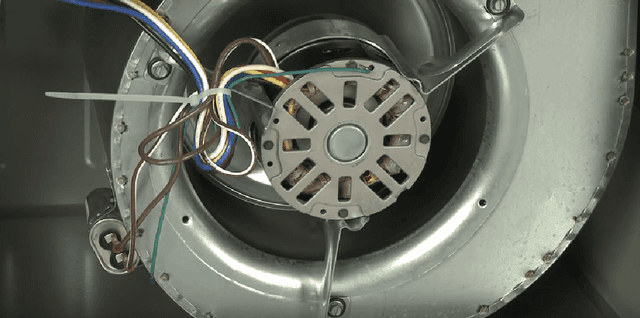
How to Replace a Furnace Circulation Blower Fan Motor
Learn why your furnace isn't working by understanding its ignition sequence and identifying common faulty parts like the igniter, flame sensor, or control board. This article provides practical repair tips and insights into each part's role in the heating process.
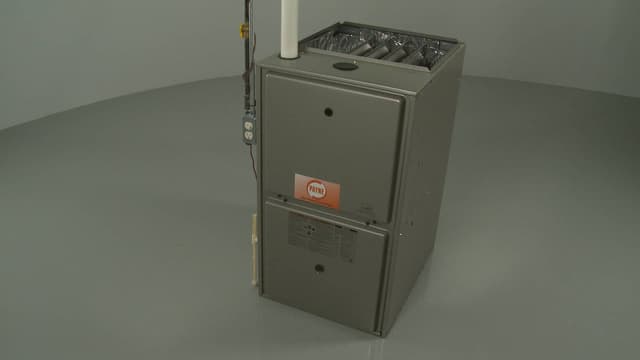
Why is My Furnace Not Working?
A gas furnace that starts and then stops unexpectedly can be frustrating, especially during cold weather. This article explains five common causes, including issues with the flame sensor, pressure switch, control board, draft inducer fan motor, or air flow. Learn how each cause may impact your furnace's operation and get tips to resolve the problem.




Family-owned and operated since 1912, Burke America Parts Group is the longest-running genuine appliance, HVAC, and outdoor power equipment parts solution in North America. At Repair Clinic, we're proud to be an international brand trusted by the pros as well as the DIY community.
About Repair Clinic