


 Price Match Guarantee
Carrier Furnace Igniter Parts
Find the right part faster
Multiple models matched. Select your model to confirm fit.




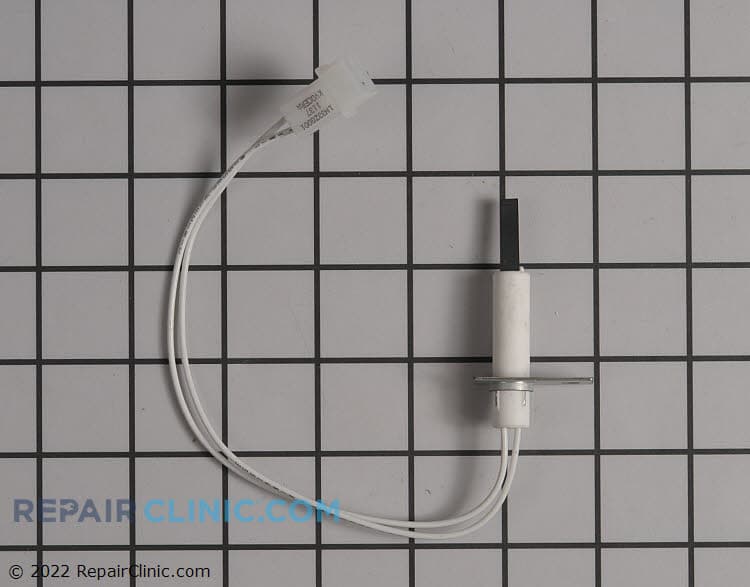
Nitride Hot Surface Furnace Ignitor
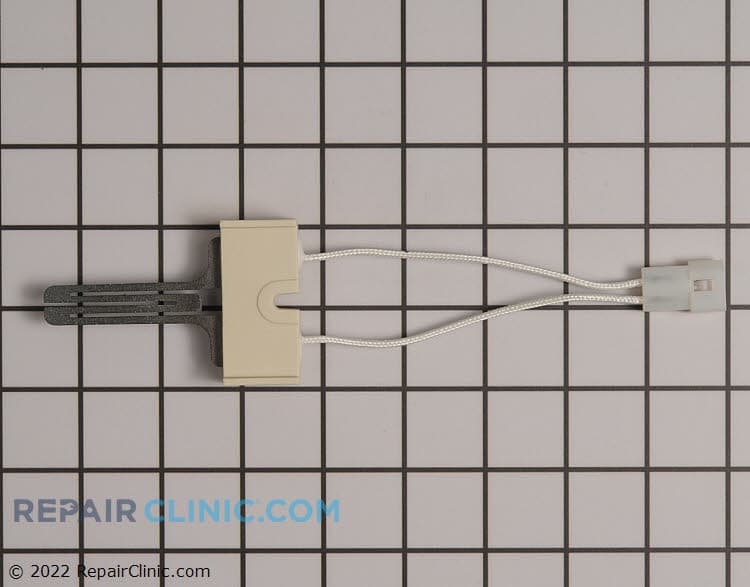
Carrier furnace igniter. The igniter gets very hot and glows bright orange to light the gas burner. If the igniter is cracked or defective, the furnace won’t heat.
RC Item #2347588
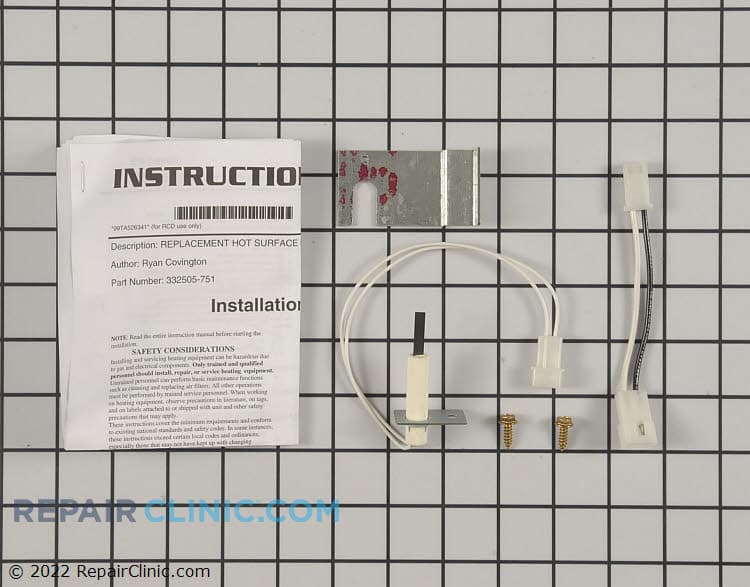
Igniter replacement kit
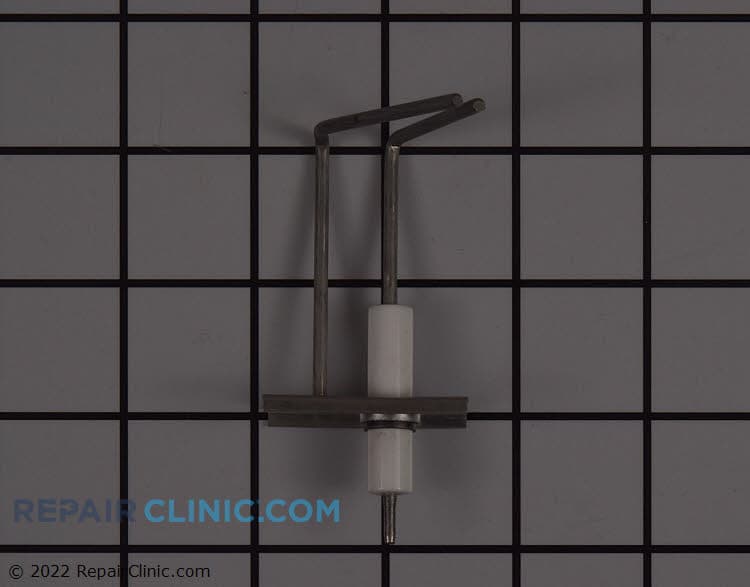
Ignitor assembly
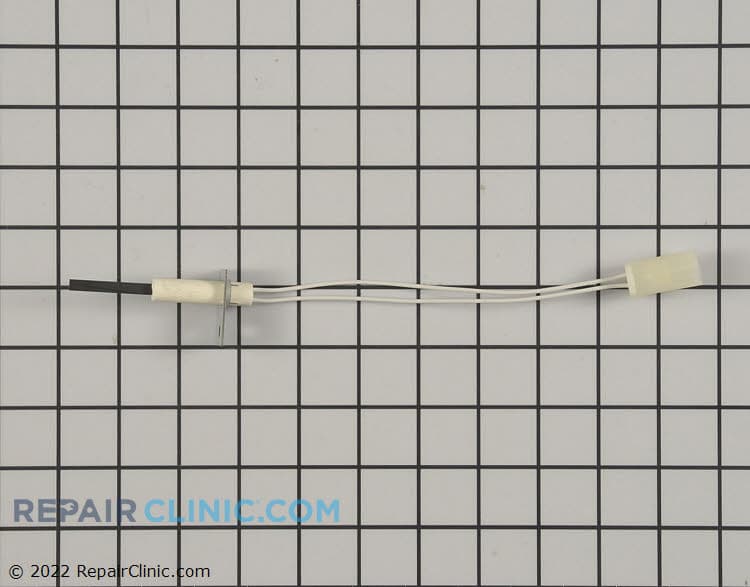
Nitride replacement furnace igniter
RC Item #2347587
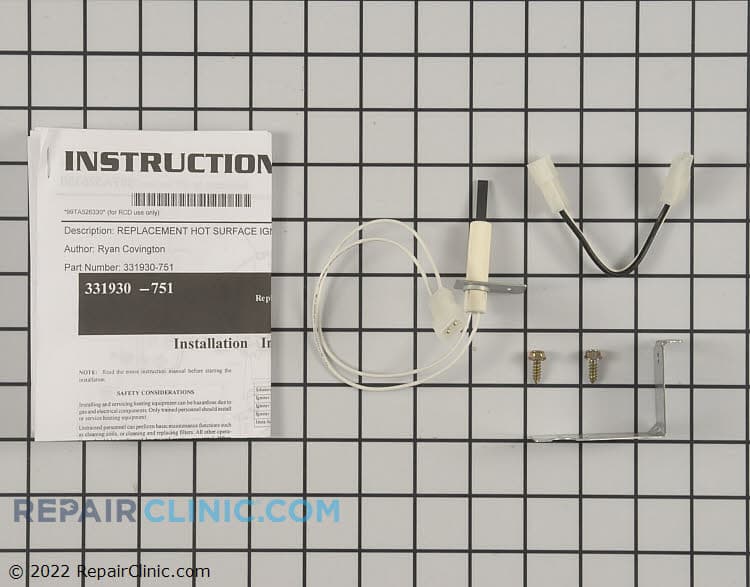
Igniter replacement kit. Includes wire harness and bracket to upgrade to new silicone nitride igniter.Replaces part number LH33ZS004 in many 33" tall furnace models
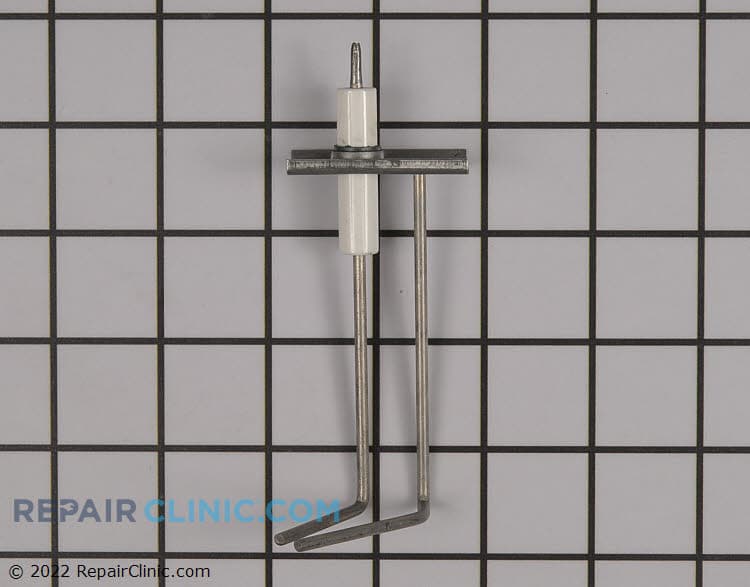
Spark style gas furnace igniter
RC Item #4562210

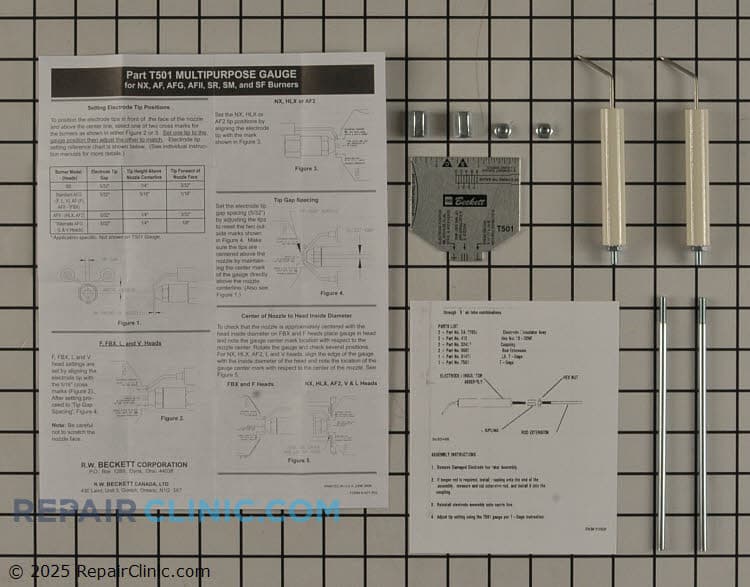
Spark electrode kit

Electrode afg af ar sf over 9"
Electrode assy
Electrode 6"
Electrode assy
Electrode porcelain
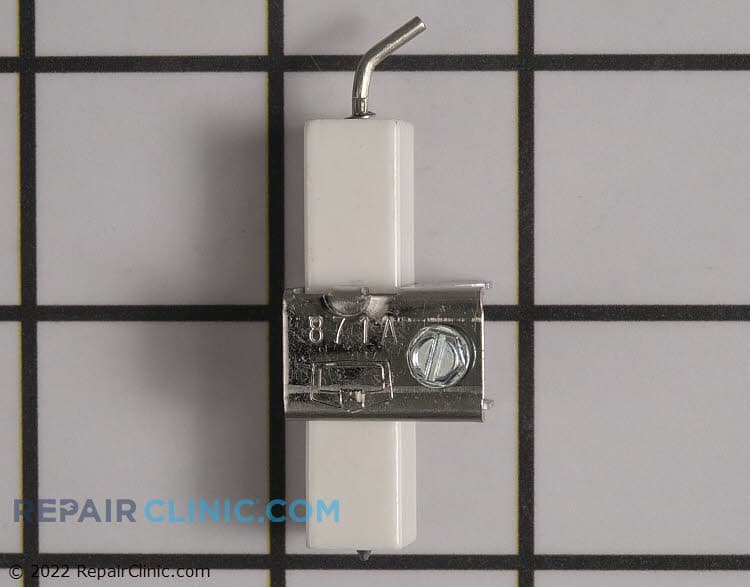
Spark electrode pilot igniter
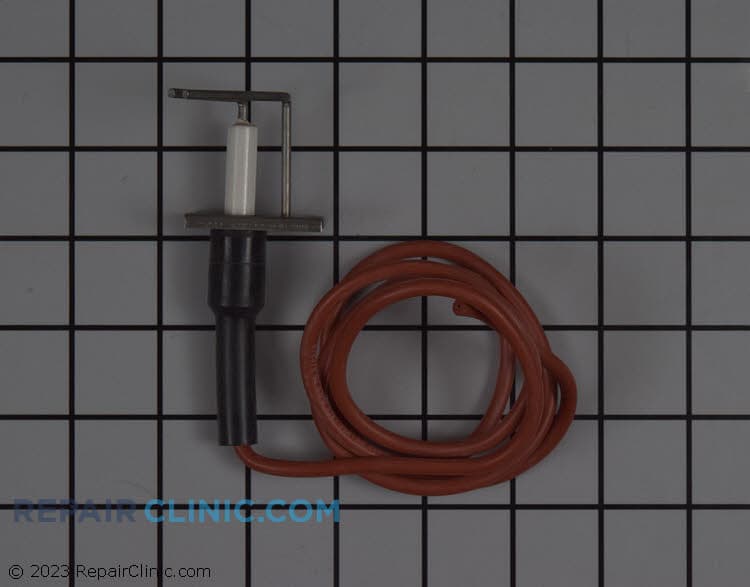
Spark style gas furnace igniter


Carrier Furnace Hot Surface Igniter Parts
The hot surface igniter is the most common Carrier furnace repair. When it glows orange but shuts off before the gas valve opens, or doesn't glow at all, your furnace is telling you it's time for a replacement. Silicon carbide and silicon nitride igniters are not interchangeable — verify which type your Carrier model uses before ordering. A bad igniter stops the entire heating cycle at the source.
Carrier igniters draw 2 to 4 amps of current to reach 2,400°F in seconds. When the igniter weakens, it can't reach full temperature, so the flame sensor never detects combustion and the furnace shuts down on safety. The fix is straightforward: OEM Carrier igniter with the correct part number and type match.
- Igniter glows dim orange then goes black: igniter weakening; replacement needed
- Igniter doesn't glow at all: check 24V control voltage first; if present, igniter is failed
- Igniter glows but furnace clicks off in 3 to 5 seconds: flame sensor not sensing, often because igniter is too weak to establish flame
- Furnace won't start in cold weather: weak igniter loses voltage drop in cold; schedule replacement before winter peak
- Error code indicating ignition failure: count the flashes on your control board and cross-reference your Carrier model; igniter is the #1 culprit
Find Replacement Carrier Furnace Igniter Parts Online by Model or Part Number
Popular Carrier Furnace Models
Related Carrier Furnace Igniter Parts
Carrier Furnace Igniter FAQ
What's the difference between silicon carbide and silicon nitride igniters for Carrier furnaces?
Silicon carbide (SiC) igniters are the older Carrier standard — flat, brittle, used in many 1980s — 2000s models. Silicon nitride (SiN) igniters are newer, more durable rod-style igniters found in modern Carrier Infinity and Performance series units. They're not interchangeable. Using the wrong type will create a resistance mismatch, and the furnace won't ignite properly. Always verify your model number and the exact igniter type before ordering.
How do I know if my Carrier igniter has actually failed versus just being dirty?
A dirty igniter may glow dimly or inconsistently. Before replacing, you can carefully inspect the igniter surface for heavy carbon buildup. However, once an igniter weakens electrically, cleaning won't restore it. The best test is to measure the igniter's resistance with a multimeter (Carrier specs vary by type, but typically 40 to 90 ohms cold). Resistance much higher than spec means the igniter is failing. When in doubt, replacement is the safest move — igniters are $40 to $80, and a failed igniter prevents all heating.
Can I replace a Carrier igniter myself, or do I need a technician?
Carrier furnace igniters are one of the most DIY-friendly repairs. The igniter is held in by a single ceramic block that screws or clips out, and electrical connection is one plug. You do not need to touch refrigerant or pressurized parts. Gas connections stay intact. Turn off power, pull the igniter, snap in the new one, restore power, and test. Most homeowners complete it in 15 to 20 minutes. If you're uncomfortable, a technician charges $150 to $300 labor; the part itself is $40 to $80.
Why does my Carrier furnace igniter keep failing every 2 to 3 years?
Repeated igniter failure often points to a flame sensor issue, inducer motor problem, or control board sending too much current to the igniter. If your replacement igniter fails unusually fast, have a technician check: (1) flame sensor for carbon buildup, (2) inducer motor for proper draft, and (3) control board voltage output. A stuck flame sensor or weak inducer motor forces the igniter to work overtime, shortening its life. Fixing the root cause prevents repeat failures.
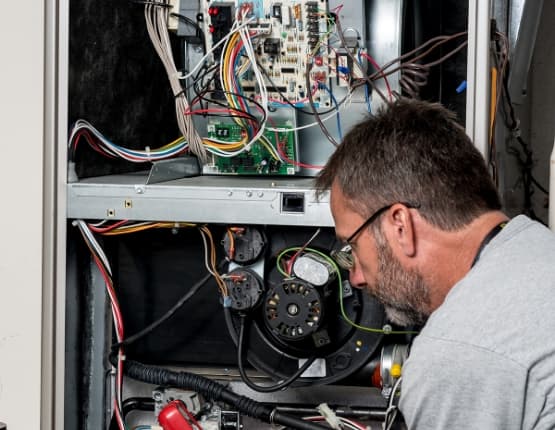
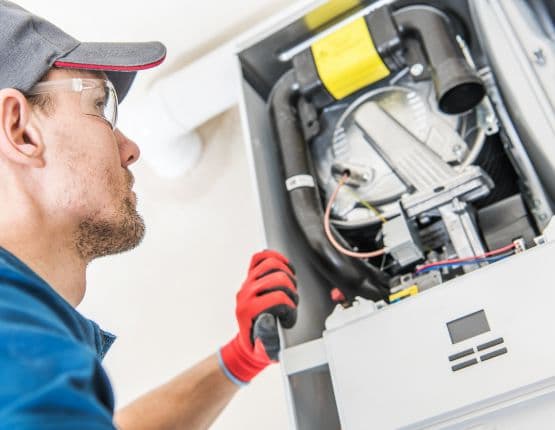
Order Carrier Furnace Igniter Parts Online
Find the ease of ordering Carrier furnace igniter parts online at Repair Clinic, where we offer a No-Hassle 365-Day Return Policy for uninstalled parts, ensuring peace of mind with every purchase. Our Price Match Guarantee helps you shop with confidence on genuine OEM replacement parts. Easily find the right igniter for your Carrier furnace by searching with your model number or part number, and enjoy same-day shipping on orders placed by 9:00 p.m. With Repair Clinic, you'll never overpay, as we match competitors' prices on all identical parts. Whether you're a DIY enthusiast or a professional technician, our extensive repair resources with same-day shipping and access to our online repair library of guides, videos, and part diagrams. Visit our replacement parts page to find more.
Carrier Furnace Model Number: Where to Look
On Carrier furnaces, look for the model number on the blower compartment door or the label just inside the front access panel. You may need to remove the outer panel to read the rating plate, which also lists the serial number, electrical information, and heating specifications. Use the model number, not the serial number, when identifying your furnace. Type it into the model number lookup and the catalog narrows to parts made for your unit, including the correct igniter and every other associated furnace part. Matching the complete furnace model helps account for differences between Carrier series and production revisions. It is the quickest way to be sure the part fits before you order.

Carrier Furnace Repair Guides and Videos
Fixing your Carrier Furnace starts with the right diagnostic information. Repair Clinic's online library includes common-symptom articles, part testing walkthroughs, and repair videos that help you pinpoint what needs replacing. Once identified, the model number lookup confirms the correct OEM part, and the matching installation video guides you through the swap.
Related Furnace Repair Help Articles
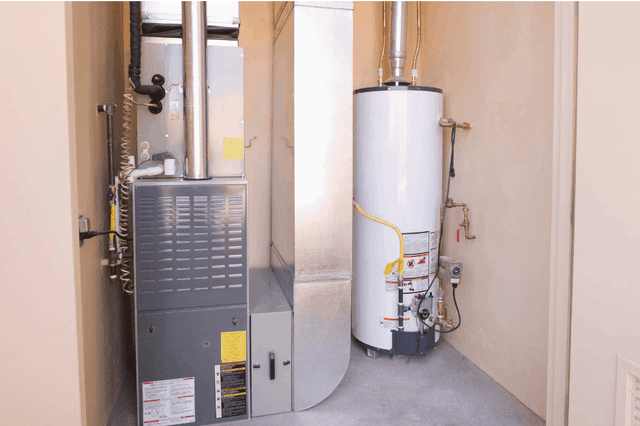
Top Reasons Furnace is Not Igniting
A furnace that fails to ignite can leave your home in the cold. Common issues include a faulty igniter, malfunctioning flame sensor, or a defective draft inducer fan motor. Replacing furnace filters and cleaning furnace parts can help prevent these problems.
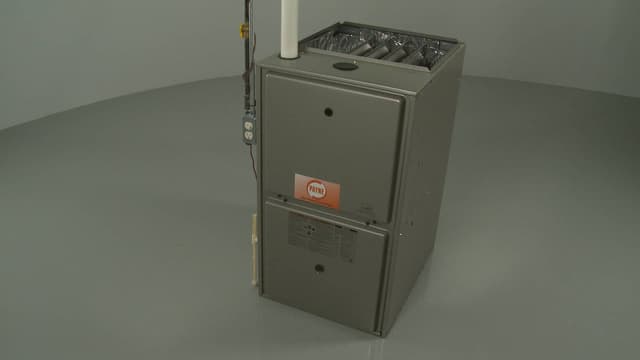
Why is My Furnace Not Working?
Learn why your furnace isn't working by understanding its ignition sequence and identifying common faulty parts like the igniter, flame sensor, or control board. This article provides practical repair tips and insights into each part's role in the heating process.
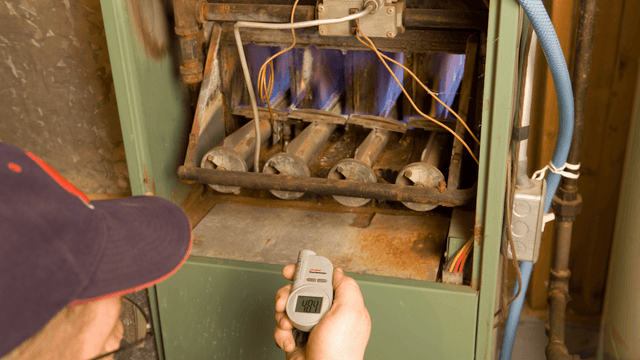
5 Causes of a Furnace Starting Then Stopping
A gas furnace that starts and then stops unexpectedly can be frustrating, especially during cold weather. This article explains five common causes, including issues with the flame sensor, pressure switch, control board, draft inducer fan motor, or air flow. Learn how each cause may impact your furnace's operation and get tips to resolve the problem.




Family-owned and operated since 1912, Burke America Parts Group is the longest-running genuine appliance, HVAC, and outdoor power equipment parts solution in North America. At Repair Clinic, we're proud to be an international brand trusted by the pros as well as the DIY community.
About Repair Clinic