


 Price Match Guarantee
Rheem Furnace Circuit Board & Timer Parts
Find the right part faster
Multiple models matched. Select your model to confirm fit.




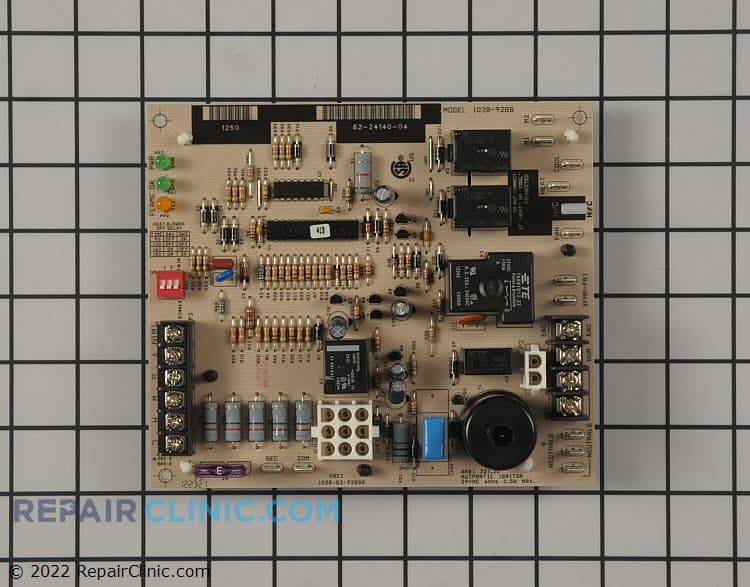
Integrated furnace control board. The control board regulates the supply of power to the furnace components. Be sure to check more commonly defective parts before replacing the control board.
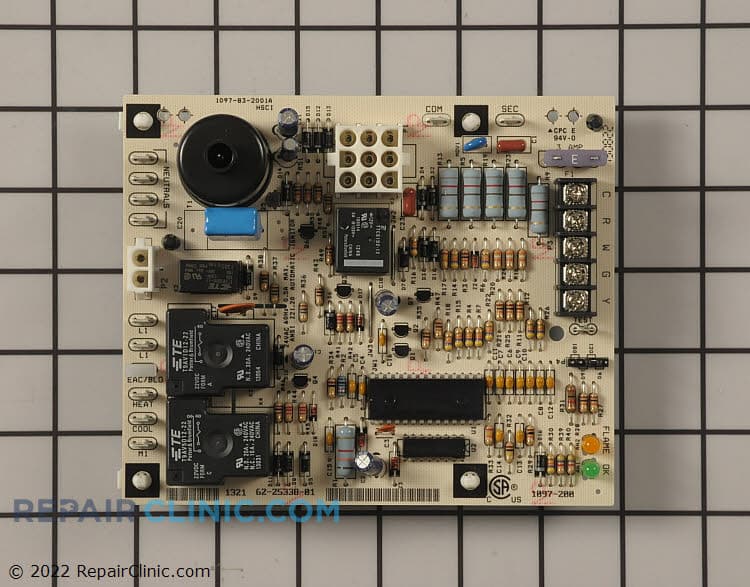
Furnace control board. The control board regulates the supply of power to the furnace components. Be sure to check more commonly defective parts before replacing the control board.
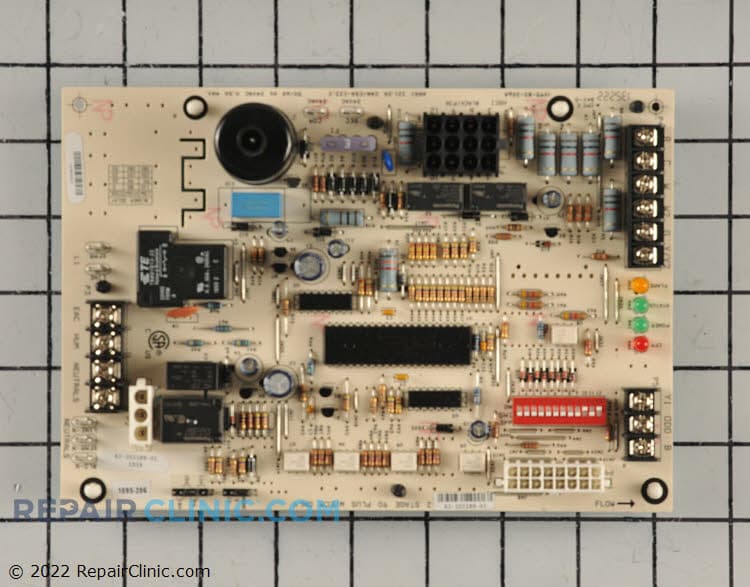
Furnace control board. The control board regulates the supply of power to the furnace components. Be sure to check more commonly defective parts before replacing the control board.
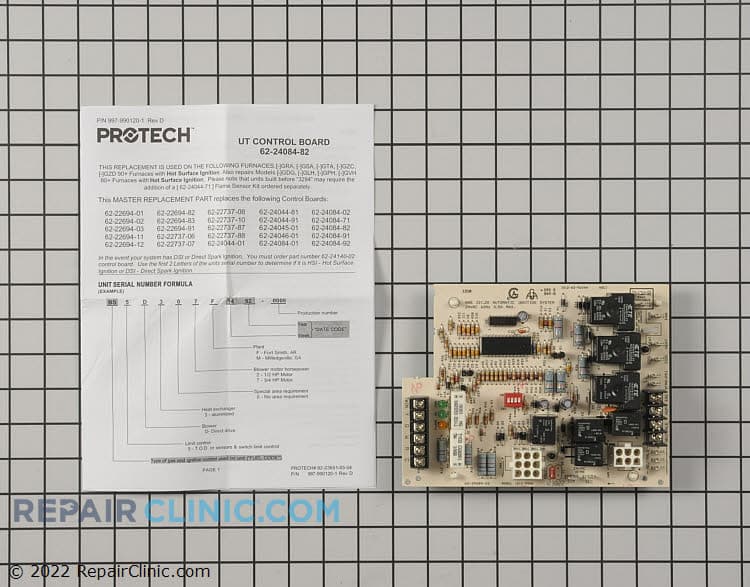
Integrated furnace control board. The control board regulates the supply of power to the furnace components. Be sure to check more commonly defective parts before replacing the control board.

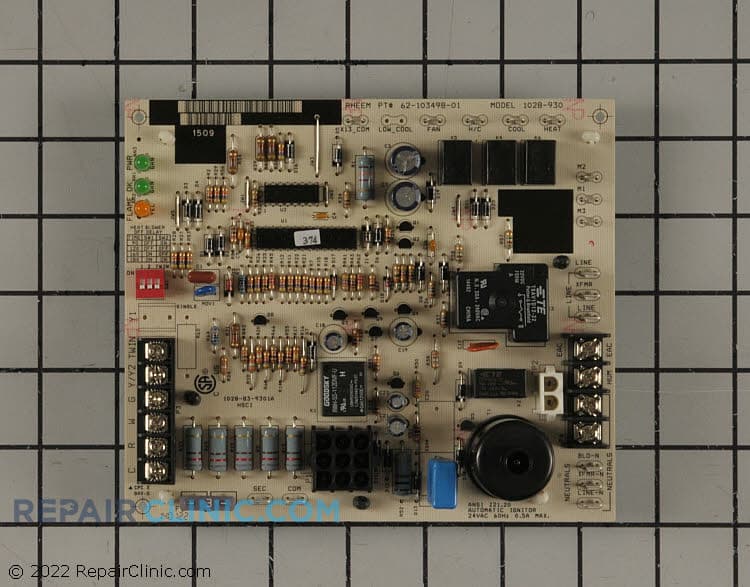
Furnace control board. The control board regulates the supply of power to the furnace components. Be sure to check more commonly defective parts before replacing the control board.

Serial communication memory module
Serial communication memory module
Serial communication memory module
Serial communication memory module
Serial communication memory module
Serial communication memory module
Serial communication memory module
Serial communication memory module
Serial communication memory module
Serial communication memory module


Rheem Furnace Control Board & Timer Parts
The control board (also called the integrated furnace control or IFC board) is the brain of your Rheem furnace. It manages ignition sequences, monitors flame sensors, tracks pressure switches, and coordinates every heating cycle. When your Rheem furnace won't respond, shows error codes, or cycles on and off without heating, a failed control board is often the culprit.
Rheem furnace boards are model-specific — the R97V, R96V, and Prestige series each require their own exact part number. Replacing with an OEM Rheem board ensures proper voltage regulation, safety interlocks, and compatibility with your igniter and flame sensor. We carry genuine Rheem circuit boards, timer modules, and relay boards across the full product line.
- Board won't power on: Dead control board, failed transformer, or loose terminal connections — check 24V power at the board first
- Furnace cycles on then immediately off: Flame sensor failure or dirty sensor; board may also have failed if sensor is clean
- Error codes blinking on LED: Count the blinks and cross-reference your model number — the code tells you what's wrong (igniter, pressure switch, flame sensor, gas valve)
- Furnace won't ignite: Board may have failed, or igniter/gas valve/sensor is the issue — verify all three are functional before replacing the board
- Thermostat calls for heat but furnace doesn't respond: Board has lost communication or power — check 24V power and thermostat wiring
Find Replacement Rheem Furnace Circuit Board & Timer Parts Online by Model or Part Number
Popular Rheem Furnace Models
Related Rheem Furnace Circuit Board & Timer Parts
Rheem Furnace Control Board Questions & Answers
How do I know if my Rheem furnace control board has failed?
The most common signs are: furnace won't power on at all (no lights or sounds), the board shows error codes on the LED display (count the blinks), furnace cycles on then shuts off within seconds, or thermostat calls for heat but nothing happens. You can test 24V power at the board terminals with a multimeter — if you have 24V but the board won't light up, the board itself has likely failed. Always verify the transformer isn't bad and all terminal connections are tight before replacing.
Why does my Rheem furnace keep showing error codes?
Error codes are the board's way of diagnosing problems. Common codes point to flame sensor failure (most common), igniter issues, pressure switch stuck, gas valve problems, or the board itself. Write down the exact code (count LED blinks), enter your Rheem model number into our lookup tool, and the code chart will tell you which part to test first. Sometimes a simple flame sensor cleaning solves it; other times the sensor or board replacement is needed.
Can I use a generic control board instead of OEM Rheem?
No — furnace control boards are highly model-specific. A generic board won't have the correct ignition timing, safety logic, or voltage output for your R97V, R96V, or Prestige series. An aftermarket board often causes short cycling, won't ignite, or creates safety faults. Always use the exact OEM Rheem board for your model number — it's one reliable way to help ensure proper operation and model-specific fit and performance.
What's the difference between a timer module and a main control board?
The main control board (IFC) runs all heating cycles, monitors sensors, and controls the gas valve and igniter. The timer module (found on some Rheem models) handles delays between ignition and flame verification. Most modern Rheem furnaces use an integrated board that does both. Use your model number to confirm whether your furnace has one board or separate parts — we'll ensure you order the correct part.
Order Rheem Furnace Circuit Board & Timer Parts Online
Finding the right Rheem furnace circuit board and timer parts is simple and convenient through our online platform. We offer a full range of genuine OEM replacement parts to ensure your furnace operates smoothly. Benefit from our No-Hassle 365-Day Returns, allowing you to return uninstalled parts within a year for any reason. Plus, our Price Match Guarantee helps you shop with confidence on all genuine Rheem parts. Easily locate the exact part you need using our model or part number lookup tools. Order by 9:00 p.m., and we'll ship your parts the same day to get your furnace back up and running without delay.
Rheem Furnace Model Number: Where to Look
On Rheem furnaces, look for the model number on the blower compartment door, inside the front access panel, or on the cabinet near the gas valve. It is printed on the equipment rating plate, usually alongside the serial number, electrical information, and heating specifications. Copy the complete model number carefully, including letters, numbers, and any suffixes, then type it into the search bar on Repair Clinic. The catalog will narrow to parts made for your specific Rheem furnace across every part category, rather than showing options for other units. Matching the model first helps you compare the correct parts and technical details, so you order with confidence knowing the fit is right.

Repair Help for Rheem Furnace
Whether you own a Rheem Furnace or work on one professionally, Repair Clinic's online repair help covers what you need. Start with a symptom guide to narrow the likely cause, then use the model number lookup to confirm the correct replacement part. Written repair instructions and matching videos walk you through each step of the installation for a clean, first-time repair.
Related Furnace Repair Help Articles
How To Replace a Circuit Board in Your Furnace
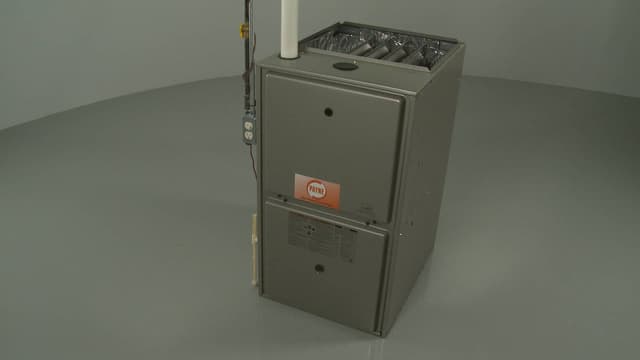
Replacing a malfunctioning furnace circuit board may be the key to restoring your heating system's functionality. This article provides a clear guide to understanding the role of the circuit board in a furnace's ignition sequence, common reasons for circuit board failure, and step-by-step instructions for replacing a furnace circuit board.
Why is My Furnace Not Working?
Learn why your furnace isn't working by understanding its ignition sequence and identifying common faulty parts like the igniter, flame sensor, or control board. This article provides practical repair tips and insights into each part's role in the heating process.
5 Causes of a Furnace Starting Then Stopping
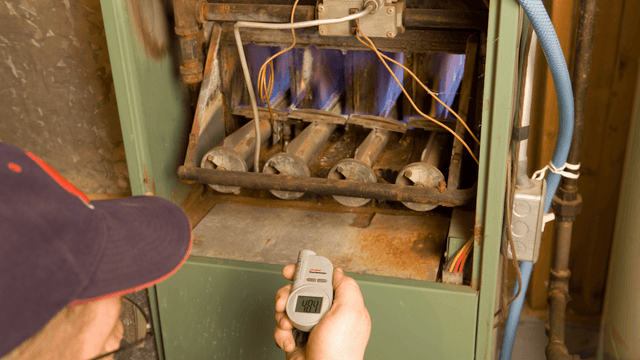
A gas furnace that starts and then stops unexpectedly can be frustrating, especially during cold weather. This article explains five common causes, including issues with the flame sensor, pressure switch, control board, draft inducer fan motor, or air flow. Learn how each cause may impact your furnace's operation and get tips to resolve the problem.




Family-owned and operated since 1912, Burke America Parts Group is the longest-running genuine appliance, HVAC, and outdoor power equipment parts solution in North America. At Repair Clinic, we're proud to be an international brand trusted by the pros as well as the DIY community.
About Repair Clinic