


 Price Match Guarantee
Rheem Furnace Gas Valve Assembly Replacement
Find the right part faster
Multiple models matched. Select your model to confirm fit.




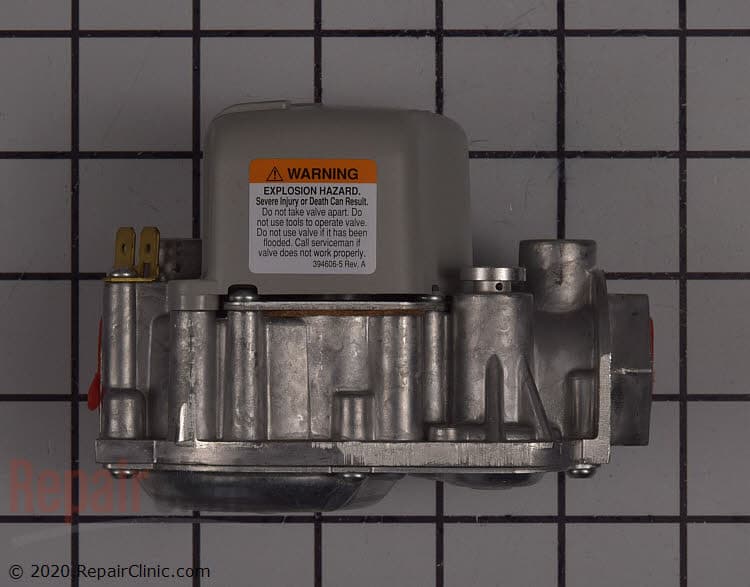
24v 1/2" x 1/2" direct spark ignition standard open Natural Gas
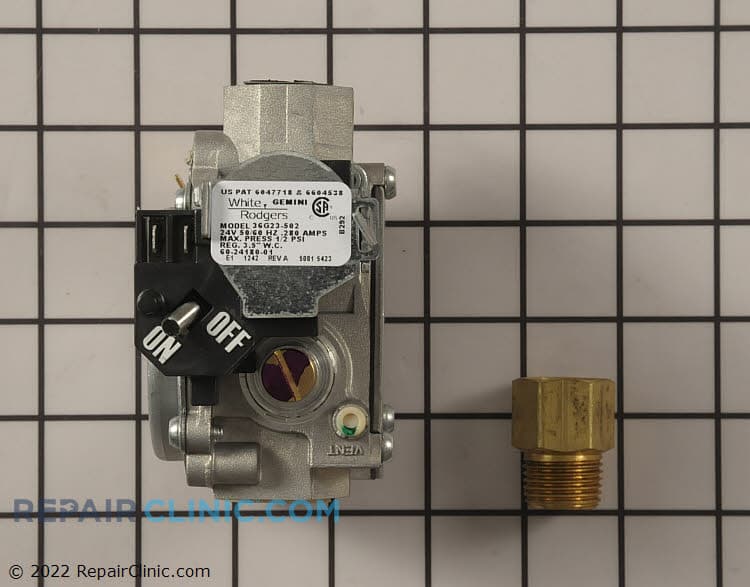
Gas valve -1/2x1/2" hsi/dsi slowop ng vlv
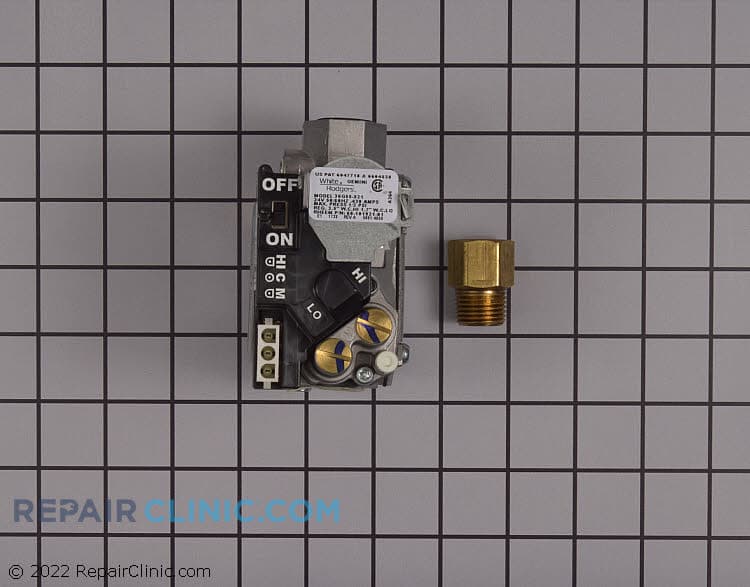
1/2" hsi/dsi slwop 2stg ng vlv


Gas valve

3/4 stdop 1stg pilot ng/lp vlv

Gas valve - 1/2x1/2 standard pilot ng vlv

1/2x3/4" pilot nat. gas valve

1/2x3/4 sloop 1stg pilot valve


Rheem Furnace Gas Valve Assembly Parts
The gas valve controls fuel flow into your Rheem furnace burner. When the control board signals heat demand and the flame sensor confirms ignition, the valve opens to let gas reach the burners. A failed gas valve stops heating completely — your burner lights but no gas flows, or the valve won't close and gas keeps running.
Before replacing the valve, verify that your igniter is glowing, the flame sensor is clean, and your inducer motor is running. Low inlet pressure or a blocked orifice can mimic a bad valve. Always match your new valve's pressure rating and connection type to your model number.
- Gas won't flow to burner: valve solenoid failed or control board signal is weak
- Gas leaks from valve connections: cracked body, worn threads, or loose fitting
- Furnace won't shut off after cycle: valve seat worn or solenoid stuck open
- Igniter glows but no ignition: gas not reaching burner; verify valve is opening at inlet
- Pressure test shows zero inlet flow: valve is blocked or completely closed
Find a Replacement Rheem Furnace Gas Valve Assembly Online by Model or Part Number
Popular Rheem Furnace Gas Valve Assembly Models
Rheem Gas Valve Assembly Questions & Answers
How do I know if my Rheem furnace gas valve is bad?
The most obvious sign is no heat even though the igniter glows orange and the draft inducer motor runs. If you hear the igniter click and smell gas but the flame never lights, or if the burner lights but extinguishes after a few seconds, check the valve with a multimeter at the solenoid terminals. You should see 24V when the board calls for heat. If voltage is present but gas still won't flow, the valve solenoid or internal seat has failed and needs replacement.
Can I clean a Rheem gas valve instead of replacing it?
Partial blockages from dust or corrosion can sometimes be cleared by backflushing the valve from the outlet side — but only if you're confident in your plumbing skills and can safely isolate gas supply. For most homeowners, replacement is safer and faster. OEM Rheem valves are reliable and cost-effective compared to the risk of a gas leak from a poorly reassembled valve.
What's the difference between a single-stage and two-stage Rheem gas valve?
Single-stage valves open fully when called, delivering full gas flow to the burner. Two-stage valves (common in Rheem's mid-tier and factory-certified models like the R97V) have a low-fire position for efficiency and a high-fire position for faster heat-up. The control board energizes different solenoid coils to switch stages. Always match your replacement valve to your model's burner stage — wrong valve = wrong fuel mixture and poor efficiency.
How do I find the correct Rheem gas valve for my furnace?
Your model number appears on a silver plate inside the blower compartment. Enter it into Repair Clinic's parts finder — it will show you the exact valve assembly, inlet/outlet pressure rating, and solenoid coil voltage. Rheem valves are often made by Honeywell or White-Rodgers but carry Rheem part numbers. Order the OEM number for your model to help ensure compatibility with your control board.
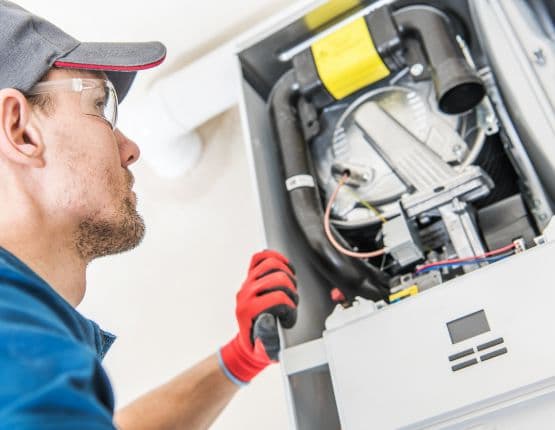
Order Rheem Furnace Gas Valve Assembly Parts Online
Ensure your Rheem furnace operates smoothly by ordering genuine gas valve assembly parts online from Repair Clinic. Our user-friendly platform allows you to easily search for replacement parts by model or part number. Benefit from our No-Hassle 365-Day Returns policy, supported by model-number lookup and return options to return any uninstalled part within a year. Plus, our Price Match Guarantee ensures you get competitive pricing on OEM parts. Order by 9:00 PM ET, and enjoy same-day shipping for prompt repairs. Whether you're a DIY enthusiast or a professional, Repair Clinic's online repair library provides the videos, guides, and diagrams you need for the repair. Browse our range of Rheem furnace parts and maintain optimal heating performance throughout the year.
Rheem Furnace Model Number: Where to Look
On Rheem furnace models, look for the data plate inside the blower compartment, often on the compartment door or a nearby cabinet panel. The plate lists the model and serial numbers, which may include letters, numbers, slashes, or hyphens, so copy the information carefully. Enter the complete model number in the search bar to narrow Repair Clinic's full furnace parts catalog to parts that fit your Rheem unit. This model-based search helps you avoid comparing valves and other parts by appearance alone. You order with confidence knowing the fit is right each time.

Repair and Troubleshooting Support for Rheem Furnace
Repair Clinic's online repair library is built to support Rheem Furnace owners and technicians through every stage of the fix. Symptom-based articles narrow the likely cause, part testing videos verify the failing component, and step-by-step repair guides cover the installation with photos and video. Use the model number lookup to confirm the exact OEM part, and wiring diagrams back you up on the more technical steps.
Related Furnace Repair Help Articles
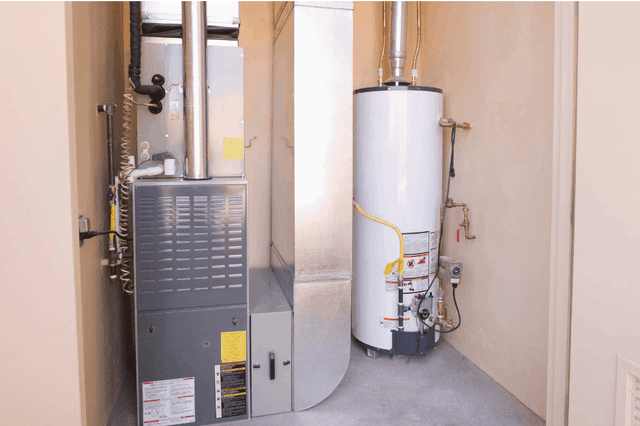
Top Reasons Furnace is Not Igniting
A furnace that fails to ignite can leave your home in the cold. Common issues include a faulty igniter, malfunctioning flame sensor, or a defective draft inducer fan motor. Replacing furnace filters and cleaning furnace parts can help prevent these problems.
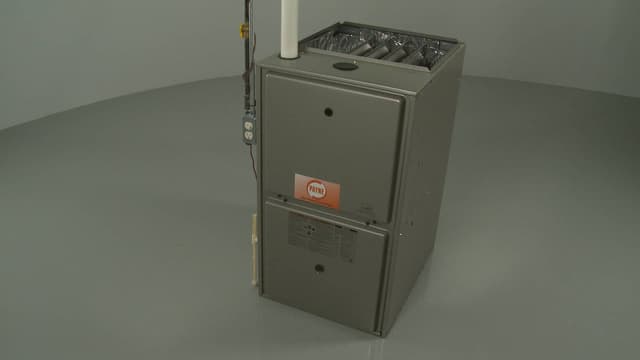
Why is My Furnace Not Working?
Learn why your furnace isn't working by understanding its ignition sequence and identifying common faulty parts like the igniter, flame sensor, or control board. This article provides practical repair tips and insights into each part's role in the heating process.
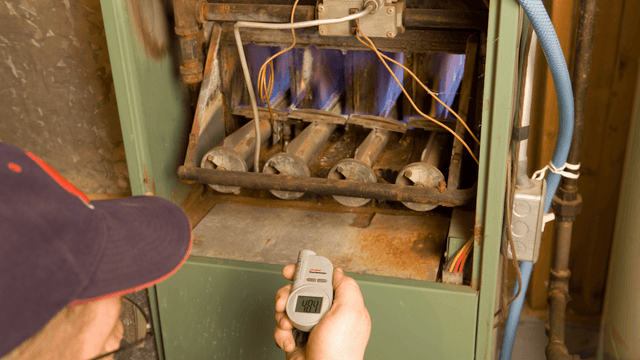
5 Causes of a Furnace Starting Then Stopping
A gas furnace that starts and then stops unexpectedly can be frustrating, especially during cold weather. This article explains five common causes, including issues with the flame sensor, pressure switch, control board, draft inducer fan motor, or air flow. Learn how each cause may impact your furnace's operation and get tips to resolve the problem.




Family-owned and operated since 1912, Burke America Parts Group is the longest-running genuine appliance, HVAC, and outdoor power equipment parts solution in North America. At Repair Clinic, we're proud to be an international brand trusted by the pros as well as the DIY community.
About Repair Clinic