


 Price Match Guarantee
Rheem Furnace Igniter Parts
Find the right part faster
Multiple models matched. Select your model to confirm fit.
RC Item #2638572




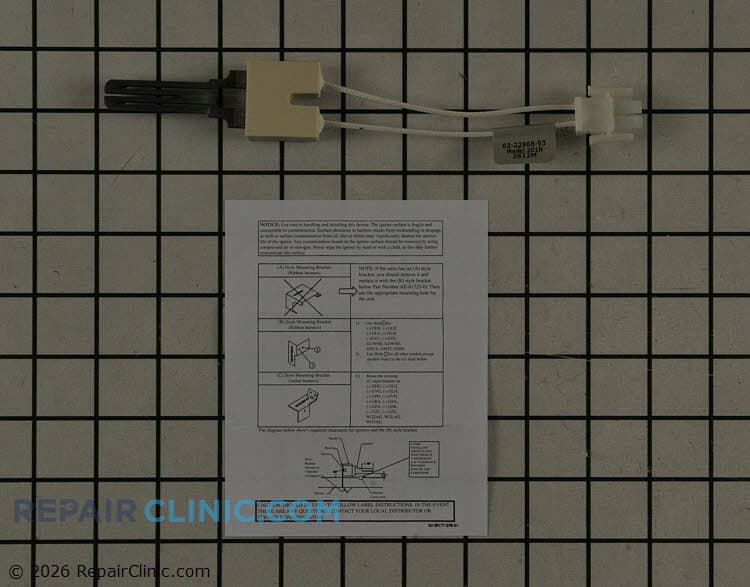
Hot surface igniter
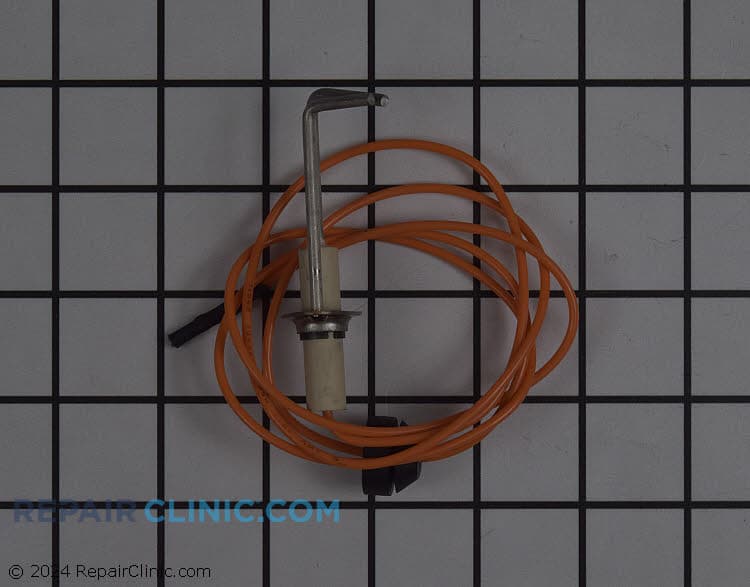
Direct spark ignitor kit

Direct spark igniter

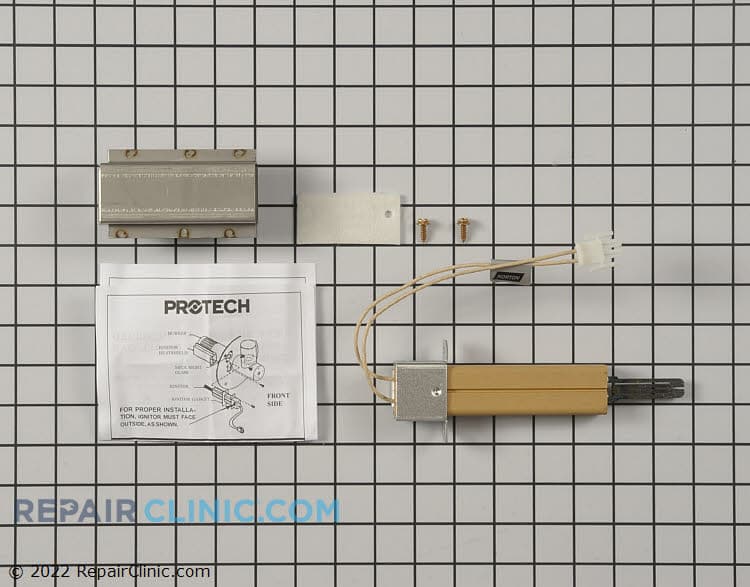
Hot surface igniter kit

Ignitor - hot surface ignitition (hsi - silicon nit
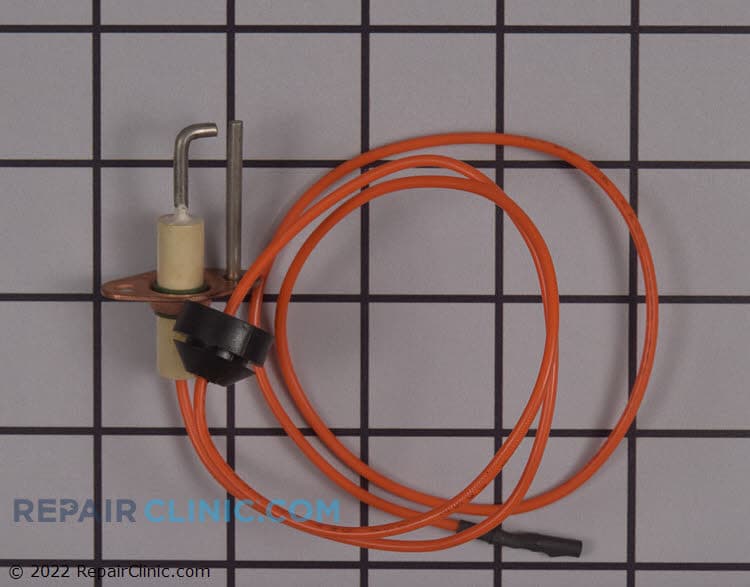
Direct Spark Ignition style gas furnace igniter


Rheem Furnace Hot Surface Igniter Parts
The hot surface igniter is the workhorse of modern Rheem furnaces. When it glows orange and triggers the gas valve, your furnace heats. When it fails — either won't glow at all or glows dimly then shuts down — your furnace won't ignite. It's the #1 Rheem furnace repair, and replacing it is a straightforward 20-minute job with the right OEM part.
Rheem uses specific igniter types across their model lines. The Classic Plus (R97V), Classic (R96V), and Prestige variable-speed furnaces each require exact OEM igniters. Silicon carbide and silicon nitride types are not interchangeable — verify your furnace's igniter type using your model number before ordering. OEM Rheem igniters maintain the precise resistance rating your control board expects, ensuring reliable ignition cycle after cycle.
- Furnace won't heat: igniter is dead or too weak to trigger the gas valve
- Igniter glows orange then goes dark: igniter is failing mid-cycle; replacement needed
- Igniter doesn't glow at all: check 24V power first, then replace igniter
- Furnace clicks then shuts down: igniter is weak; gas valve never opens
- Furnace short-cycles: igniter weakening over time; replace before total failure
Find Replacement Rheem Furnace Igniter Parts Online by Model or Part Number
Popular Rheem Furnace Models
Related Rheem Furnace Igniter Parts
Rheem Furnace Igniter FAQs
How do I know if my Rheem furnace igniter is bad?
Watch the ignition cycle. A working igniter glows bright orange within 4 to 5 seconds, then stays lit while the gas burns. If it doesn't glow at all, glows dimly, or glows then goes dark before the flame catches, the igniter has failed. You'll also hear the gas valve click (trying to open) but no flame will ignite. Some Rheem furnaces show a blinking error code on the control board when the igniter is weak — check your manual for the code meaning.
Are Rheem igniter types interchangeable with other brands?
No. Rheem igniters are engineered for Rheem control boards and gas valves. While some igniters look similar across brands, the resistance rating differs. Using the wrong igniter — even from a compatible HVAC family — can cause ignition failures or safety issues. Always use an OEM Rheem igniter matched to your exact model number. Rheem is part of the Rheem/Ruud family, and many Ruud furnaces use identical igniters, but always confirm the model number.
What's the difference between silicon carbide and silicon nitride igniters?
Both are hot surface igniters, but they have different electrical properties and heating characteristics. Your Rheem furnace is designed for one type — mixing them will cause ignition problems. Check your model number or look at your current igniter's packaging to identify the type. When you enter your model number on Repair Clinic, we'll show you the exact igniter type your furnace needs.
Can I clean my Rheem igniter instead of replacing it?
No. Unlike flame sensors, igniters cannot be safely cleaned. They're ceramic elements that weaken over time — cleaning won't restore them. Once an igniter fails, replacement is a primary fix. A new OEM igniter is inexpensive ($25 to $60) and prevents weeks of a cold furnace.
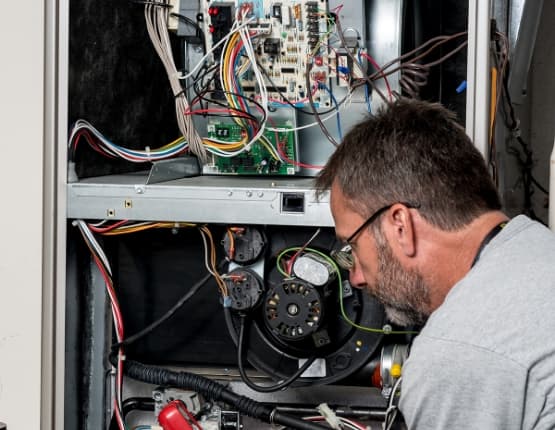
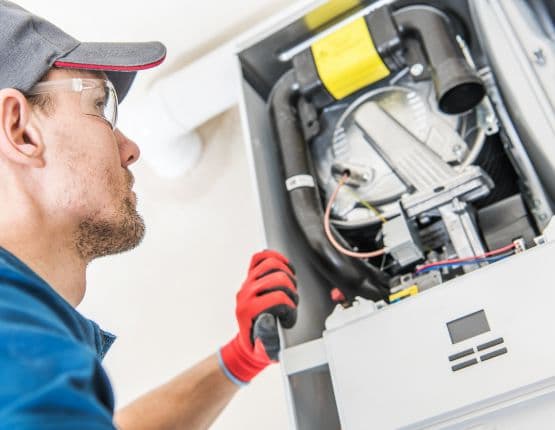
Order Rheem Furnace Igniter Parts Online
Shopping for Rheem furnace igniter parts. Use your model number to get the right part. Our extensive inventory ensures you find the exact igniter part you need, whether it's a hot surface igniter or a spark electrode. Plus, our Price Match Guarantee ensures you get competitive pricing on all genuine OEM replacement parts. Quickly locate parts by model or part number and benefit from same-day shipping on orders placed before 9:00 p.m. Trust Repair Clinic to keep your Rheem furnace running smoothly.
Rheem Furnace Model Number: Where to Look
On Rheem furnaces, look for the model number on the blower compartment door, usually printed on the unit's identification label. Turn off power before removing an access panel, and check the inside front access panel or cabinet side if the number is not on the door. Copy the complete model number, including letters, numbers, and any suffix, then type it into our model number lookup and the catalog narrows to parts made for your unit. The model number applies to the entire furnace, so it filters the full selection of associated parts, not just igniters. You get a faster, more accurate match and avoid ordering parts that do not fit.

Repair Clinic's Online Resources for Rheem Furnace Owners
Repair Clinic gives Rheem Furnace owners and technicians everything they need to diagnose and repair the appliance online. The video library shows disassembly, testing, and reassembly for the most common repairs. Written repair guides pair with the videos, and diagnostic articles cover the likely causes for each symptom. Use the model number lookup to confirm the correct OEM part before you order.
Related Furnace Repair Help Articles
Top Reasons Furnace is Not Igniting
A furnace that fails to ignite can leave your home in the cold. Common issues include a faulty igniter, malfunctioning flame sensor, or a defective draft inducer fan motor. Replacing furnace filters and cleaning furnace parts can help prevent these problems.
Why is My Furnace Not Working?
Learn why your furnace isn't working by understanding its ignition sequence and identifying common faulty parts like the igniter, flame sensor, or control board. This article provides practical repair tips and insights into each part's role in the heating process.
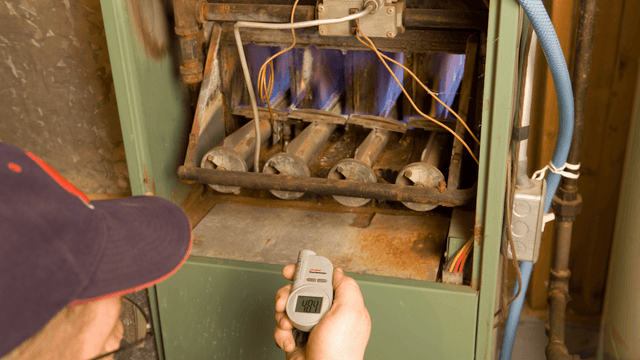
5 Causes of a Furnace Starting Then Stopping
A gas furnace that starts and then stops unexpectedly can be frustrating, especially during cold weather. This article explains five common causes, including issues with the flame sensor, pressure switch, control board, draft inducer fan motor, or air flow. Learn how each cause may impact your furnace's operation and get tips to resolve the problem.




Family-owned and operated since 1912, Burke America Parts Group is the longest-running genuine appliance, HVAC, and outdoor power equipment parts solution in North America. At Repair Clinic, we're proud to be an international brand trusted by the pros as well as the DIY community.
About Repair Clinic