


 Price Match Guarantee
Furnace Parts
- Amana
- Carrier
- Coleman
- Frigidaire
- Goodman
- ICP
- Kenmore
- Maytag
- Nordyne
- York
- Air Bear Trion
- Allergen Shield Plus
- Arcoaire
- Broan
- Bryant
- Comfortmaker
- DuroGuard
- Fasco
- Garrison
- Gibson
- GrandAire
- Heil
- Honeywell
- ICM
- Intertherm
- Kelvinator
- Lennox
- Luxaire
- Mammoth
- Mars
- Medallion
- Miller
- Nutone
- Payne
- Philco
- Rheem
- Ruud
- Sears
- Tappan
- Tempstar
- Thermal Zone
- TradePro
- Trane
- WeatherKing
- White Rodgers
- White-Westinghouse
- Adhesive
- Axle, Roller, Shaft, Wheel
- Bearing
- Belt
- Blower Wheel & Fan Blade
- Bracket & Flange
- Cap, Lid & Cover
- Capacitor
- Chassis
- Circuit Board & Timer
- Cleaner & Deodorizer
- Compressor & Sealed System
- Deflector & Chute
- Diode, Magnetron & Resistor
- Door
- Drip Bowl & Drip Pan
- Duct & Venting
- Engine
- Fastener
- Filter
- Fuse, Thermal Fuse & Breaker
- Gas Burner & Control Valve
- Gasket & Seal
- Grille & Kickplate
- Handle
- Heating Element
- Hinge
- Hose, Tube & Fitting
- Igniter
- Ignition Controls
- Insulation
- Knob, Dial & Button
- Latch
- Leg, Foot & Caster
- Lighting & Light Bulb
- Manuals, Care Guides & Literature
- Miscellaneous
- Motor
- Paint
- Panel
- Power Cord
- Pulley
- Pump
- Remote Control
- Safety Equipment
- Sensor & Thermistor
- Shelf & Shelf Support
- Spring
- Switch
- Tank & Container
- Thermostat
- Tool
- Transformer
- Transmission, Brake & Clutch
- Trim
- Valve & Float
- Wire, Receptacle & Wire Connector
Find the right part faster
Multiple models matched. Select your model to confirm fit.





Draft inducer motor replacement. If mounted horizontally, related items are needed for replacement motor. The draft inducer motor draws air into the burner and exhausts it out the flue. If the draft inducer motor is defective, the furnace may not heat.
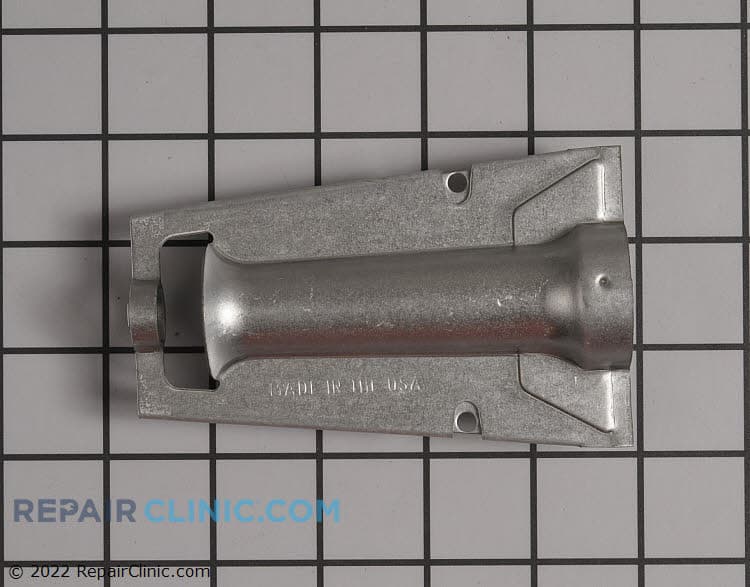
Gas Burner Tube
RC Item #2332750
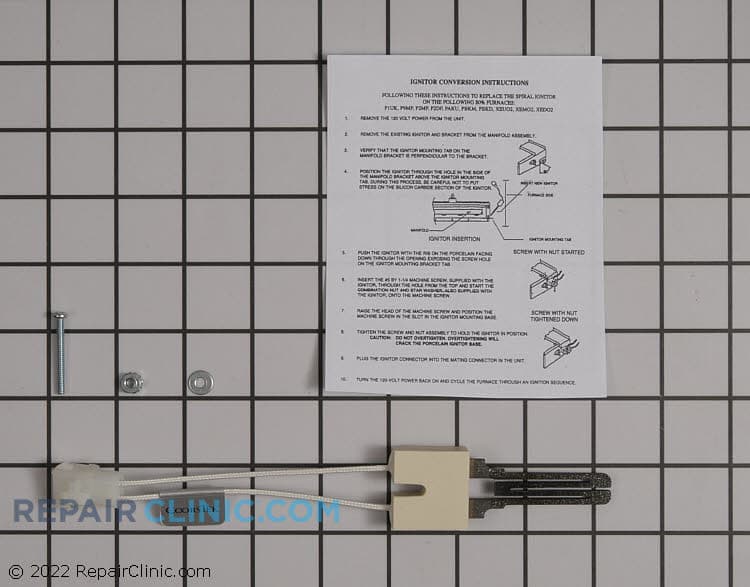
Furnace hot surface igniter kit. The igniter gets very hot and glows bright orange to light the gas burner. If the igniter is cracked or defective, the furnace won’t heat.
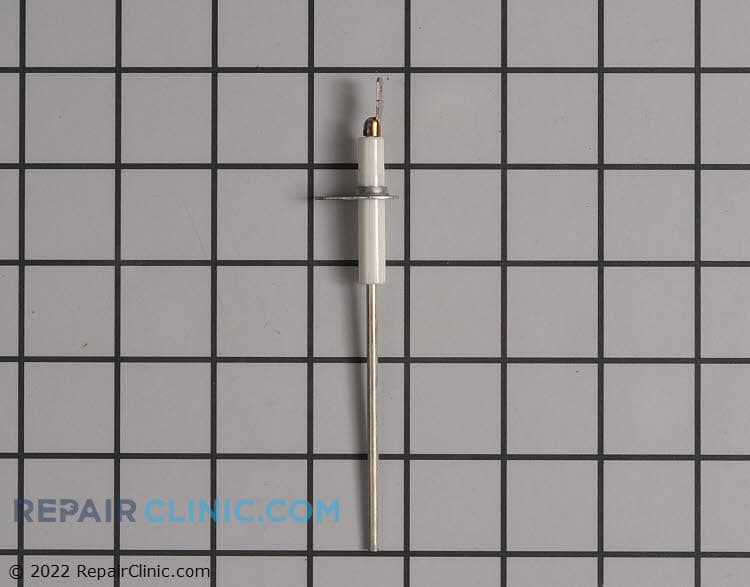
Furnace flame sensor. The flame sensor monitors the burner to detect whether or not a flame is present. If the flame sensor is defective, the furnace may not heat.
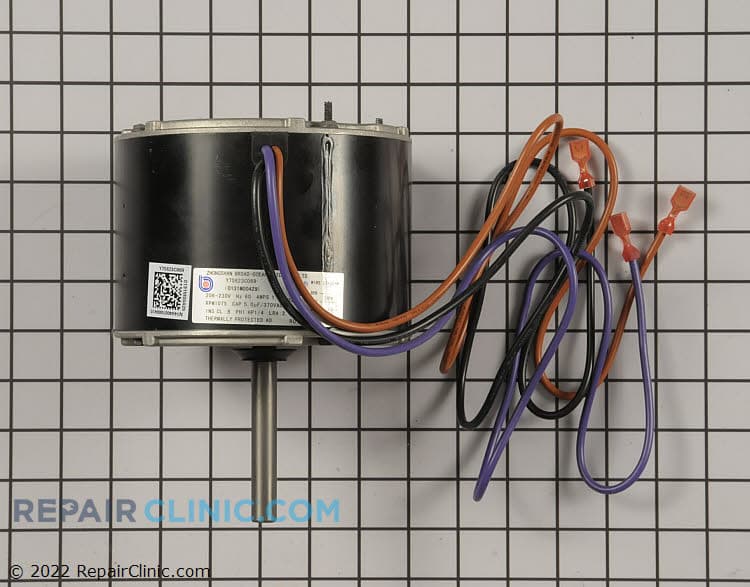
Fan Motor 0131M00847S. One-speed, OEM replacement part designed specifically for Goodman and Amana HVAC equipment, like air conditioners, furnaces, and heat pumps. It operates at 1/4 HP, with electrical specifications of 208/230V and 1.4A and a rotation speed of 1075 RPM.
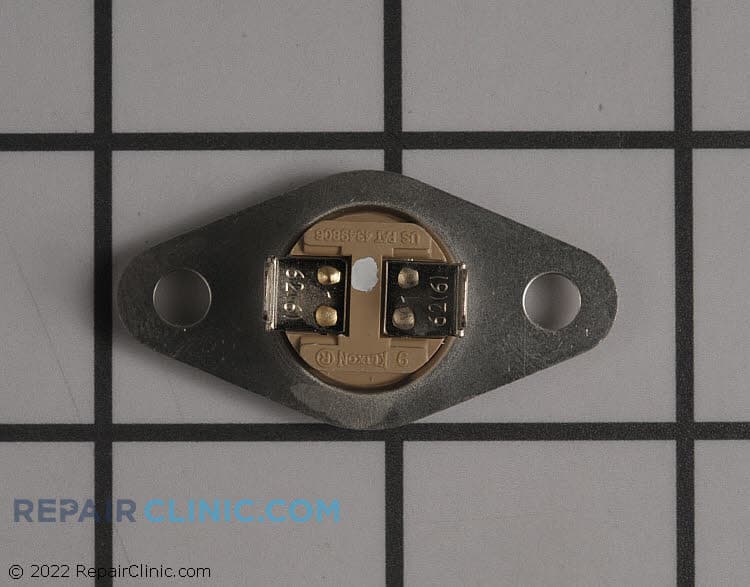
Limit switch non-resettable 101-200F
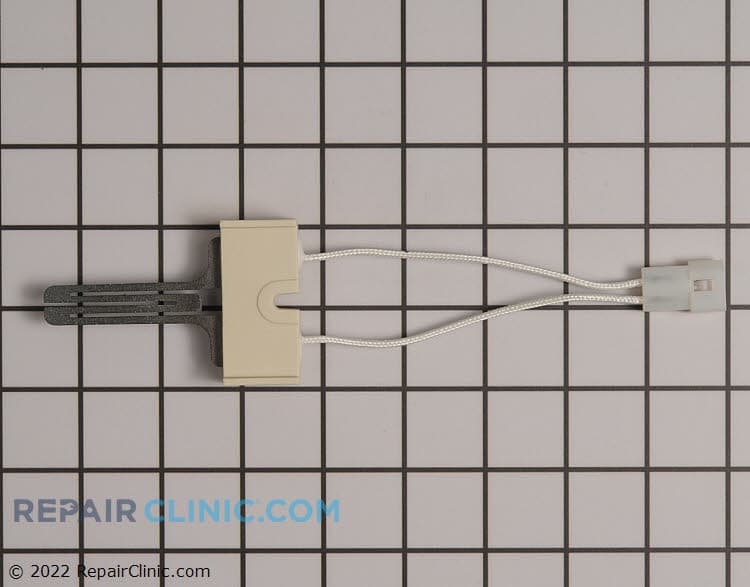
Carrier furnace igniter. The igniter gets very hot and glows bright orange to light the gas burner. If the igniter is cracked or defective, the furnace won’t heat.
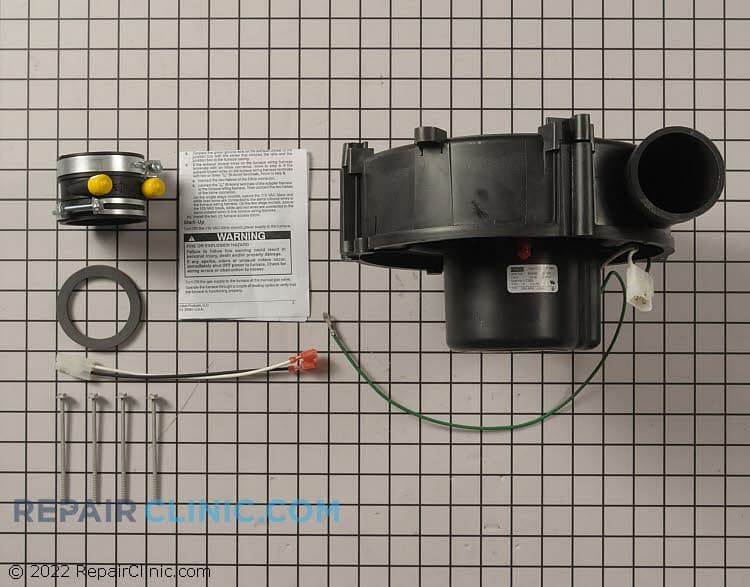
Furnace draft inducer motor. The draft inducer motor draws air into the burner and exhausts it out the flue. If the draft inducer motor is defective, the furnace may not heat.
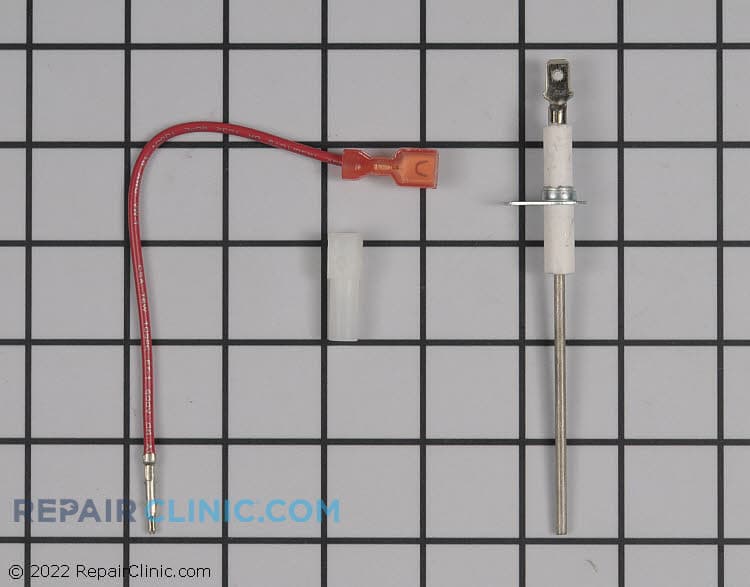
Furnace flame sensor with wire harness
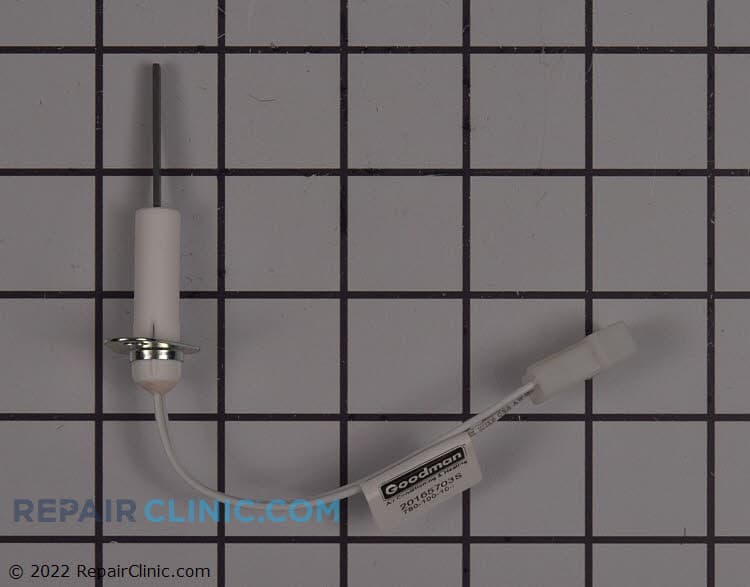
Mini hot surface igniter
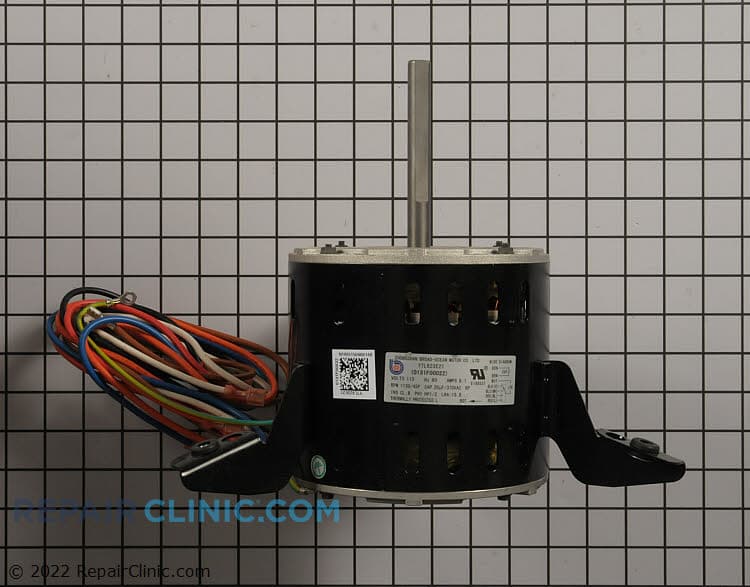
1/2HP 115Volts 60Hz 7 amp 1130 RPM's 4 Speed Open Enclosure Single Phase CCW 4" Shaft

Furnace draft inducer motor kit. The draft inducer motor draws air into the burner and exhausts it out the flue. If the draft inducer motor is defective, the furnace may not heat.

Flame rollout switch 300F resetable
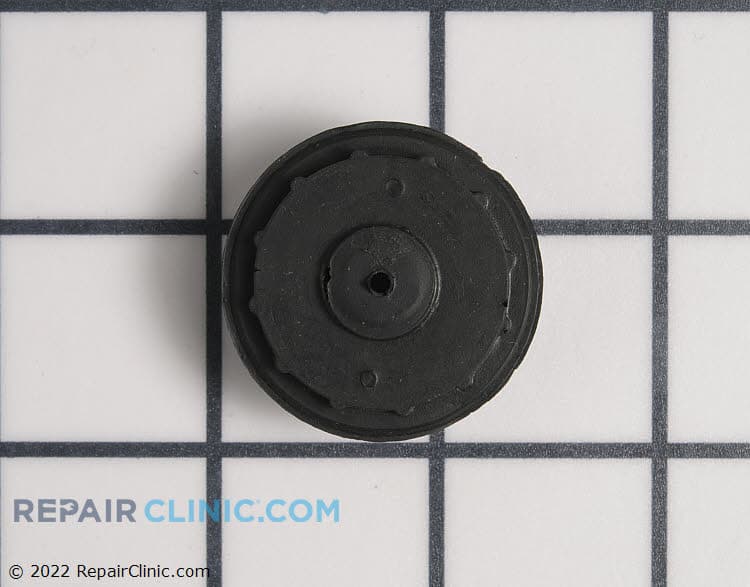
Bearing
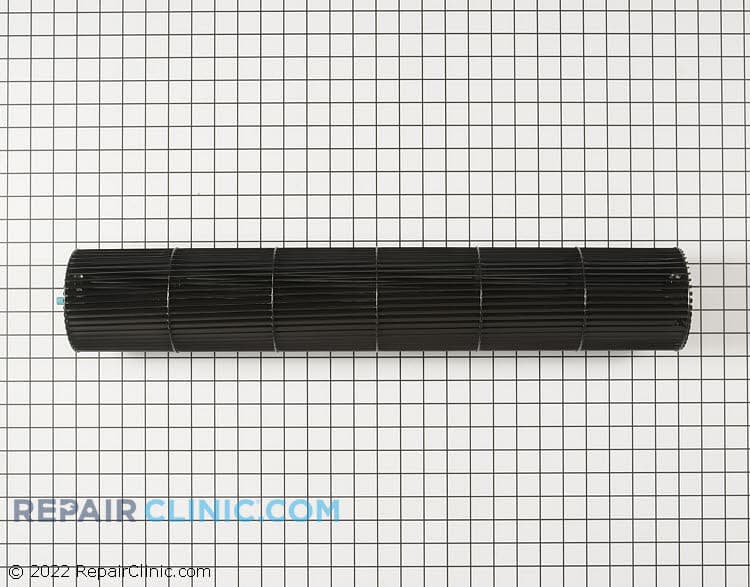
Blower wheel


Common Furnace Parts That Fail
When your furnace stops heating, one of a handful of high-wear parts is almost always the culprit. Hot surface igniters, draft inducer motors, pressure switches, and flame sensors account for the vast majority of furnace repairs — and they're all affordable, replaceable parts. Repair Clinic stocks genuine OEM parts for, and all major furnace brands.
Whether your furnace won't ignite, shuts off mid-cycle, or the blower won't run, finding your model number is the fastest path to the exact part you need. We carry the same OEM parts your furnace installer stocks — at competitive prices with same-day shipping on most in-stock items.
- Hot surface igniter glows orange then dies, or won't glow at all: Replace the igniter (silicon carbide or silicon nitride — verify type for your model)
- Furnace starts then shuts down within seconds: Flame sensor failure is the #1 cause (try cleaning with fine steel wool first)
- Pressure switch keeps tripping or furnace won't start: Check for blocked drain lines or cracked hose; if clear, the pressure switch has likely failed
- No airflow from vents, or blower runs constantly: Blower motor or capacitor failure; capacitor is often the cheaper fix
- Inducer motor making noise or furnace cycling on/off randomly: Draft inducer assembly needs replacement; verify motor HP and flange type
Popular Furnace Models
Related Furnace Parts
- Furnace Miscellaneous Parts
- Furnace Switch Parts
- Furnace Motor Parts
- Furnace Gas Burner & Control Valve Parts
- Furnace Panel Parts
- Furnace Wire, Receptacle & Wire Connector Parts
- Furnace Fastener Parts
- Furnace Blower Wheel & Fan Blade Parts
- Furnace Bracket & Flange Parts
- Furnace Cap, Lid & Cover Parts
- Furnace Gasket & Seal Parts
- Furnace Duct & Venting Parts
- Furnace Circuit Board & Timer Parts
- Furnace Compressor & Sealed System Parts
- Furnace Hose, Tube & Fitting Parts
- Furnace Door Parts
- Furnace Deflector & Chute Parts
- Furnace Capacitor Parts
- Furnace Filter Parts
- Furnace Insulation Parts
- Furnace Fuse, Thermal Fuse & Breaker Parts
- Furnace Manuals, Care Guides & Literature
- Furnace Drip Bowl & Drip Pan Parts
- Furnace Transformer Parts
- Furnace Igniter Parts
- Furnace Sensor & Thermistor Parts
- Furnace Engine Parts
- Furnace Heating Element Parts
- Furnace Axle, Roller, Shaft, Wheel Parts
- Furnace Bearing Parts
- Furnace Belt Parts
- Furnace Thermostat Parts
- Furnace Spring Parts
- Furnace Pulley Parts
- Furnace Pump Parts
- Furnace Transmission, Brake & Clutch Parts
- Furnace Ignition Controls Parts
- Furnace Latch Parts
- Furnace Shelf & Shelf Support Parts
- Furnace Chassis Parts
- Furnace Handle Parts
- Furnace Valve & Float Parts
- Furnace Knob, Dial & Button Parts
- Furnace Tool
- Furnace Grille & Kickplate Parts
- Furnace Hinge Parts
- Furnace Paint
- Furnace Tank & Container Parts
- Furnace Trim Parts
- Furnace Adhesive
- Furnace Lighting & Light Bulb Parts
- Furnace Power Cord Parts
- Furnace Diode, Magnetron & Resistor Parts
- Furnace Cleaner & Deodorizer
- Furnace Leg, Foot & Caster Parts
- Furnace Remote Control Parts
- Furnace Safety Equipment
Furnace Parts & Repairs: Your Questions Answered
What's the difference between a silicon carbide and silicon nitride igniter?
Both are hot surface igniters, but they have different resistance ratings and are not interchangeable. Silicon carbide (SiC) igniters are flat and more common in older furnaces (, ). Silicon nitride (SiN) igniters are curved and used in newer models, particularly and some units. Always confirm your furnace's igniter type before ordering — using the wrong type will prevent the gas valve from opening. Your furnace's model number or the part number on the old igniter will tell you which type is correct.
How do I know if my furnace pressure switch is the problem?
A tripped pressure switch is often a symptom of a larger issue — a blocked furnace drain line, kinked hose, or failing draft inducer motor. Before replacing the switch, check that the condensate drain is clear and the hose connection is tight. If those are fine and the switch still won't reset, or if it trips every heating cycle, the switch itself has failed. Pressure switches are inexpensive ($15 to $30) and a quick swap, but ruling out airflow blockage first saves you from replacing the switch only to have the same problem return.
Why does my or furnace have error codes, and how do I find the control board?
Modern Infinity and XC95m furnaces use communicating control boards (IFC or CNT boards) that display error codes via LED blinks or a digital display. Count the flashes or check your owner's manual to decode the message — it usually points to the igniter, flame sensor, pressure switch, or the board itself. Control boards are model-specific and must be OEM; aftermarket boards will not work with communicating furnaces. Enter your exact furnace model number in our search to find the correct board pre-programmed for your system.
What's the most common reason a furnace blower runs constantly without heating?
A blower that runs but produces no heat usually points to the igniter, flame sensor, or a faulty limit switch. However, a blower that runs non-stop (even during cooling season or when the thermostat is off) often indicates a failed limit switch or control board. The limit switch is a safety device that tells the blower when to run — if it fails in the "on" position, the blower never stops. It's a $20 to $40 part and one of the simpler furnace repairs. If the limit switch tests fine, the main control board may need replacement.
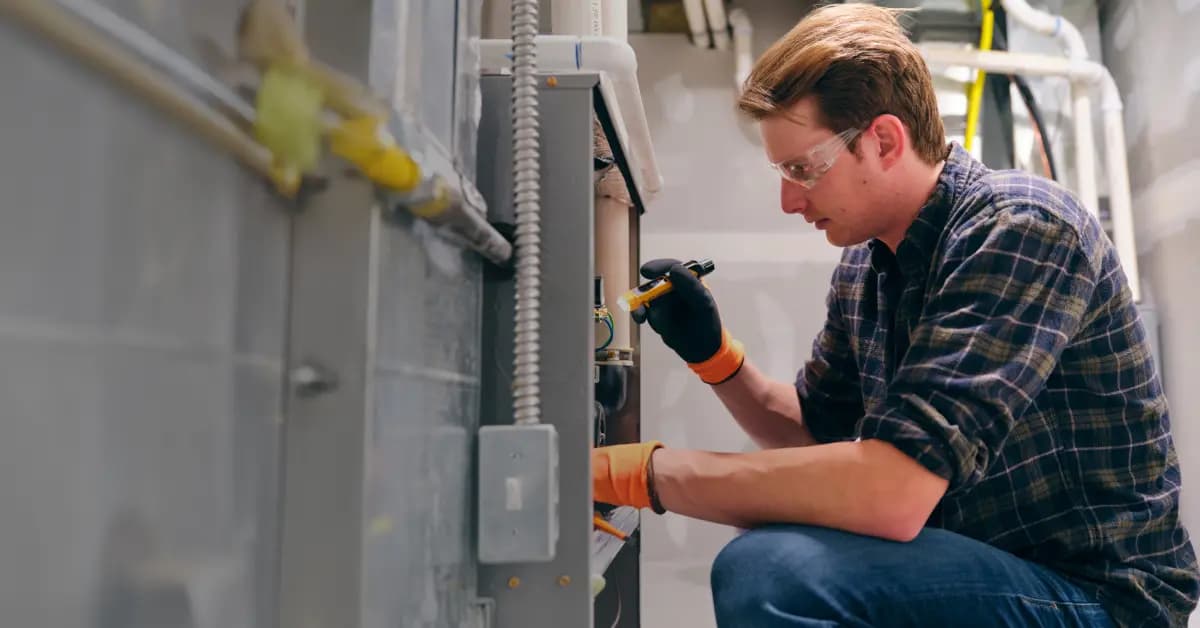
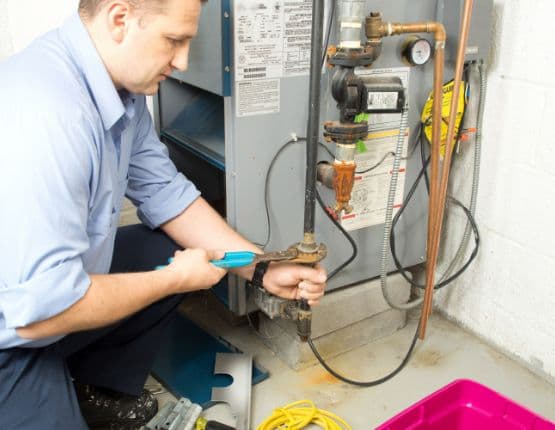
Order Furnace Replacement Parts Online
Finding the right furnace replacement parts is easy with Repair Clinic. Whether you need a blower motor, gas valve, flame sensor, or air filter, our vast inventory ensures you get the exact part for your furnace model. Search by model or part number for fast, accurate results.
With 365-Day No-Hassle Returns and our Price Match Guarantee, you can shop confidently, knowing you're getting competitive pricing on genuine OEM furnace parts. Plus, with same-day shipping on orders placed by 9:00 PM ET, you can get your furnace back to reliable operation quickly. Whether you're a DIY homeowner or an HVAC professional, Repair Clinic has the parts and support you need for a reliable repair.
Filter Furnace Parts by Your Model Number
Check the blower compartment door, inside the front access panel, or near the gas valve for your furnace's model label. The label may list several numbers, so look specifically for "model" or "M/N" rather than the serial number. Enter that model number in the search bar to filter the full furnace parts catalog to parts that fit your unit. If the label is dusty or hard to read, use a flashlight and record every letter, number, and slash exactly as shown. A precise lookup cuts down compatibility checks and helps you get the repair moving without a wrong order.

Fix Your Furnace with Online Repair Help
The online repair library at Repair Clinic covers Furnace diagnostics, part testing, and installation from start to finish. Symptom-based articles narrow the failing component, and matching repair videos or step-by-step written guides walk you through the fix. Use the model number lookup to confirm the exact OEM part before you order, then follow the exploded-view diagrams for a clean reassembly.
Related Furnace Repair Help Articles
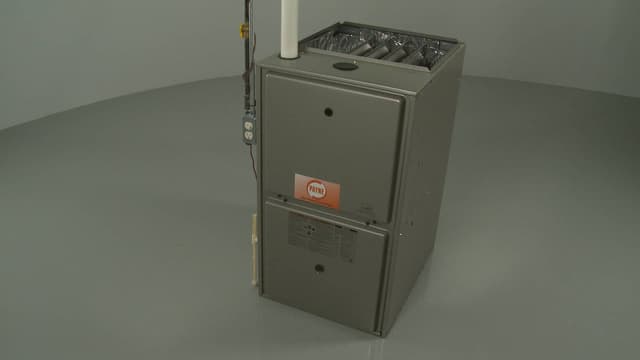
How To Replace a Circuit Board in Your Furnace
Replacing a malfunctioning furnace circuit board may be the key to restoring your heating system's functionality. This article provides a clear guide to understanding the role of the circuit board in a furnace's ignition sequence, common reasons for circuit board failure, and step-by-step instructions for replacing a furnace circuit board.
Why is My Furnace Not Working?
Learn why your furnace isn't working by understanding its ignition sequence and identifying common faulty parts like the igniter, flame sensor, or control board. This article provides practical repair tips and insights into each part's role in the heating process.
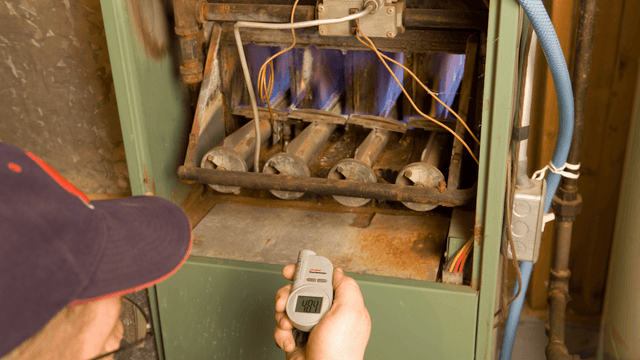
5 Causes of a Furnace Starting Then Stopping
A gas furnace that starts and then stops unexpectedly can be frustrating, especially during cold weather. This article explains five common causes, including issues with the flame sensor, pressure switch, control board, draft inducer fan motor, or air flow. Learn how each cause may impact your furnace's operation and get tips to resolve the problem.




Family-owned and operated since 1912, Burke America Parts Group is the longest-running genuine appliance, HVAC, and outdoor power equipment parts solution in North America. At Repair Clinic, we're proud to be an international brand trusted by the pros as well as the DIY community.
About Repair Clinic