


 Price Match Guarantee
Bryant Furnace Parts
- Adhesive
- Axle, Roller, Shaft, Wheel
- Bearing
- Belt
- Blower Wheel & Fan Blade
- Bracket & Flange
- Cap, Lid & Cover
- Capacitor
- Circuit Board & Timer
- Compressor & Sealed System
- Door
- Drip Bowl & Drip Pan
- Duct & Venting
- Engine
- Fastener
- Filter
- Fuse, Thermal Fuse & Breaker
- Gas Burner & Control Valve
- Gasket & Seal
- Grille & Kickplate
- Heating Element
- Hinge
- Hose, Tube & Fitting
- Igniter
- Ignition Controls
- Insulation
- Knob, Dial & Button
- Latch
- Manuals, Care Guides & Literature
- Miscellaneous
- Motor
- Paint
- Panel
- Pulley
- Pump
- Sensor & Thermistor
- Shelf & Shelf Support
- Switch
- Thermostat
- Tool
- Transformer
- Trim
- Valve & Float
- Wire, Receptacle & Wire Connector
Find the right part faster
Multiple models matched. Select your model to confirm fit.





Furnace draft inducer motor with cooling fan. Be aware that the screw holes are not threaded—you will need to use self-tapping screws to install the motor.
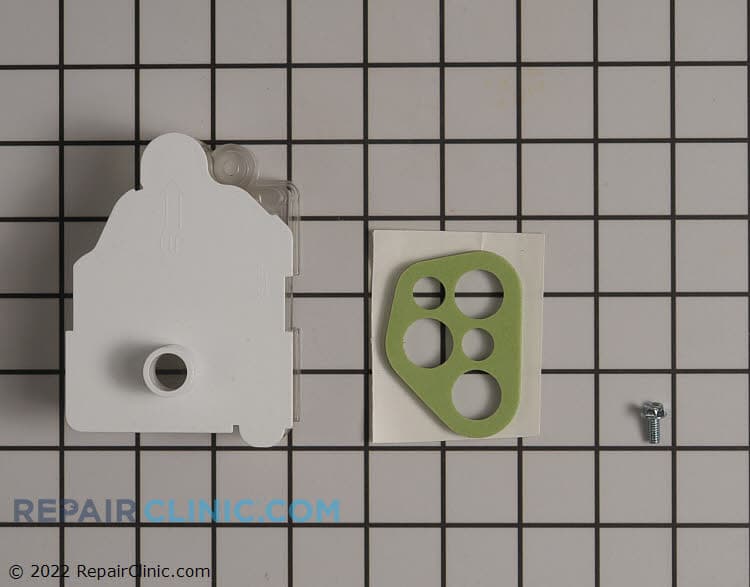
Condensate trap
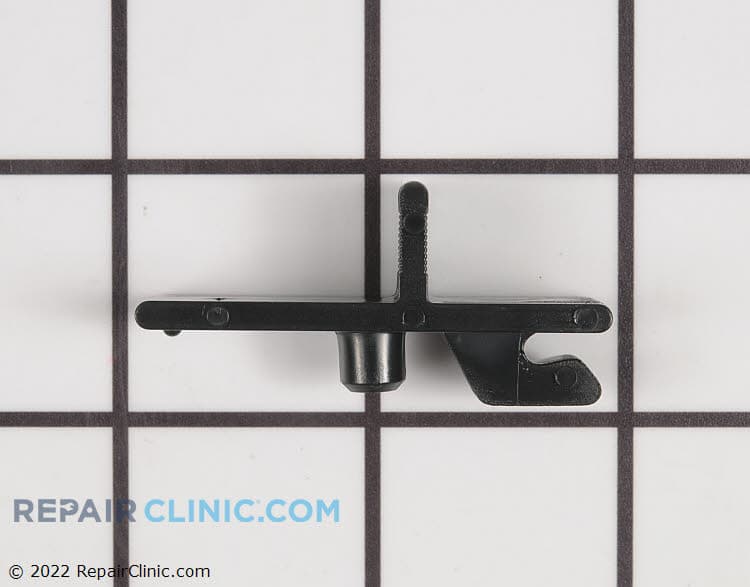
Latch-filter cover
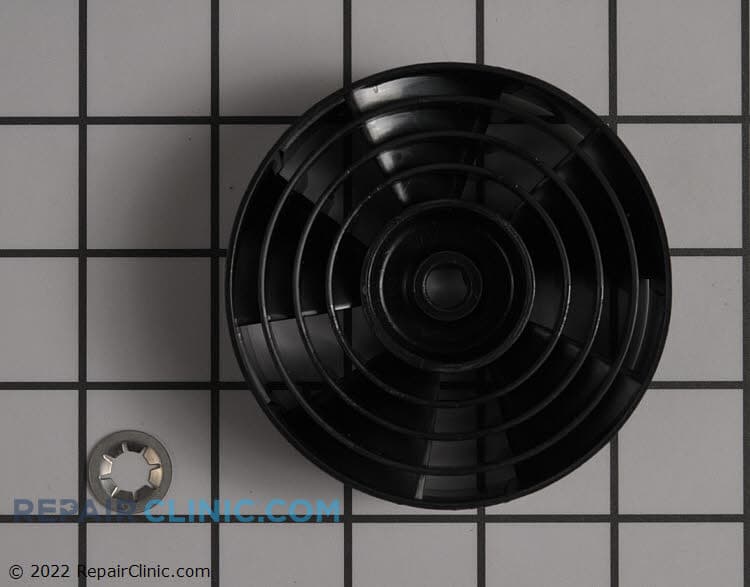
Furnace draft inducer motor cooling fan blade and clip. You may have to cut the old clip off to remove the fan blade.

Furnace draft inducer motor. The draft inducer motor draws air into the burner and exhausts it out the flue. If the draft inducer motor is defective, the furnace may not heat.
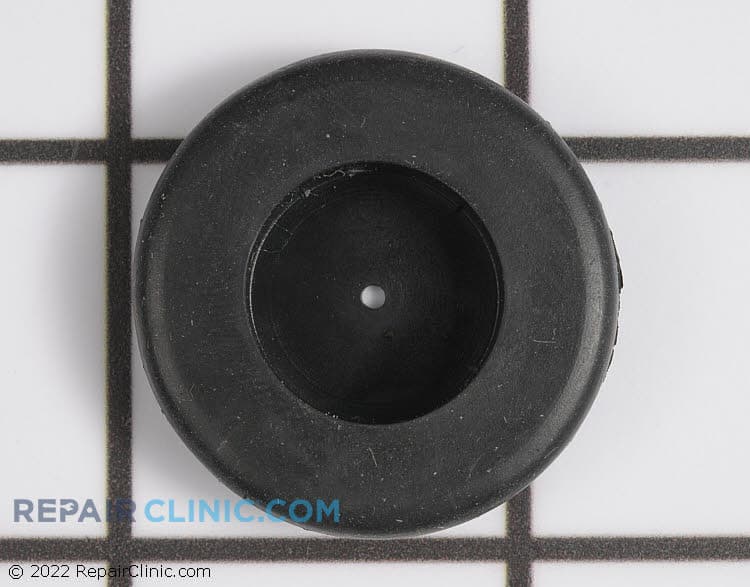
Grommet, sold individually
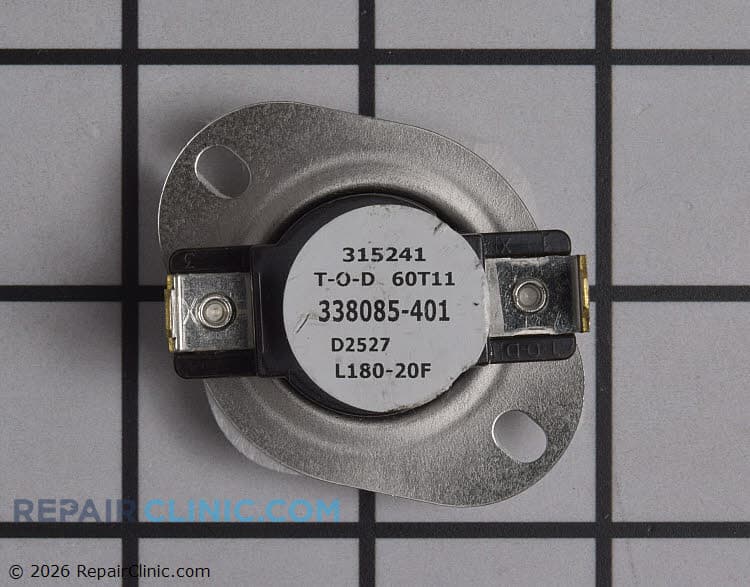
Limit Switch
RC Item #2347744
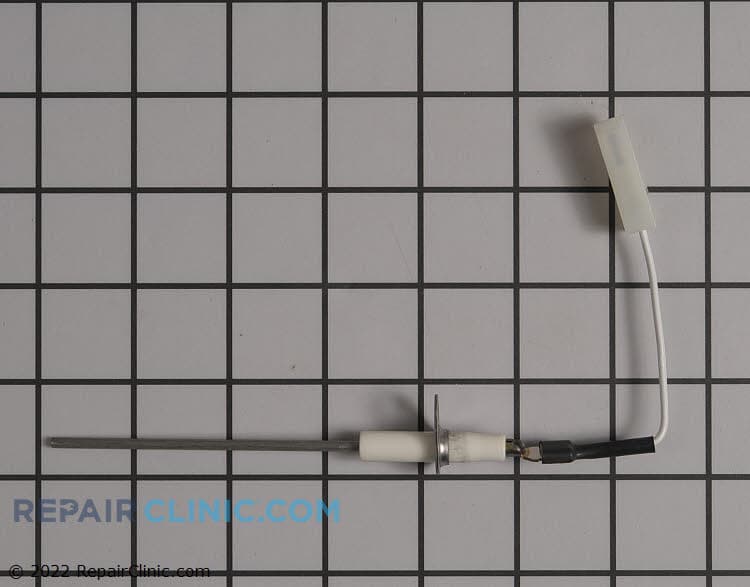
Furnace flame sensor. The flame sensor monitors the burner to detect whether or not a flame is present. If the flame sensor is defective, the furnace may not heat.
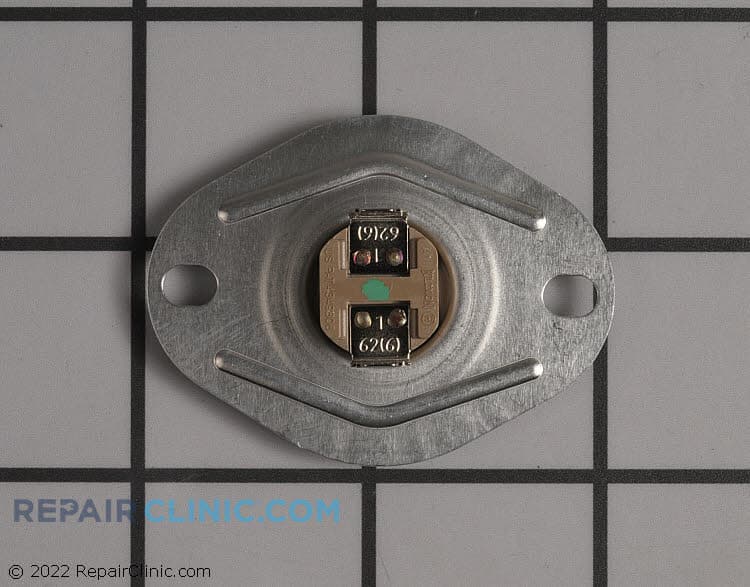
Limit switch 125-165F
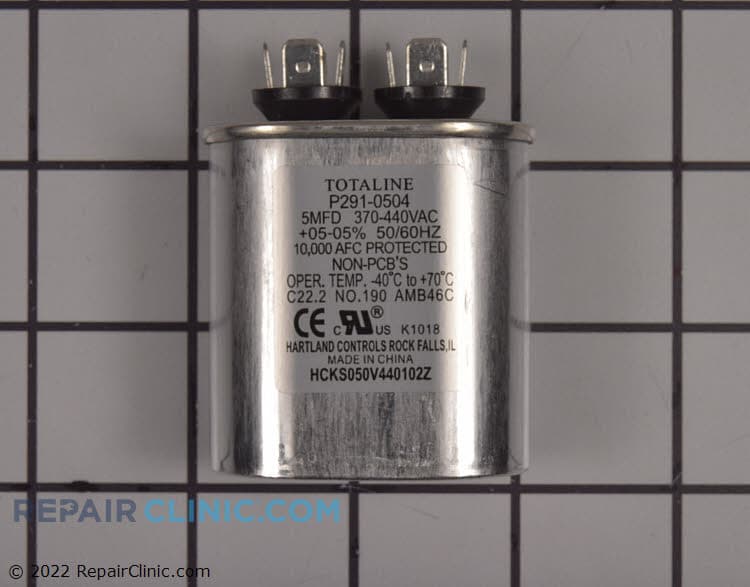
Run Capacitor, Single, Oval, 370 Volts, 5 Microfarads
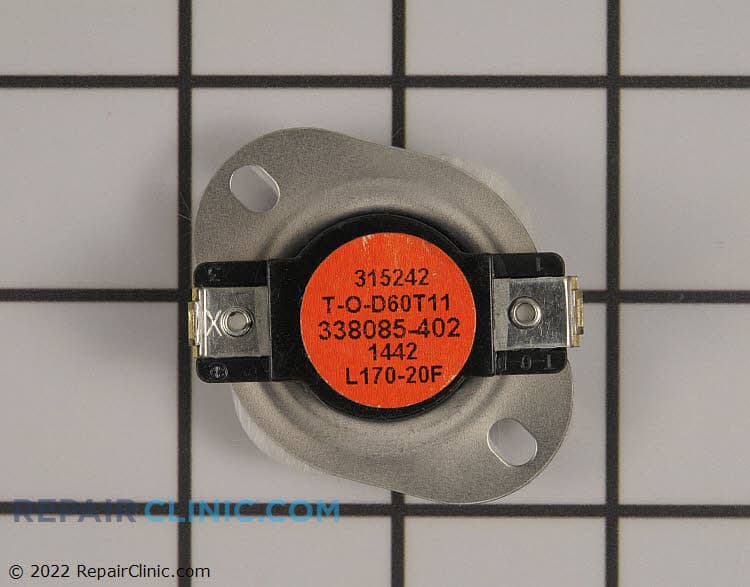
Limit switch
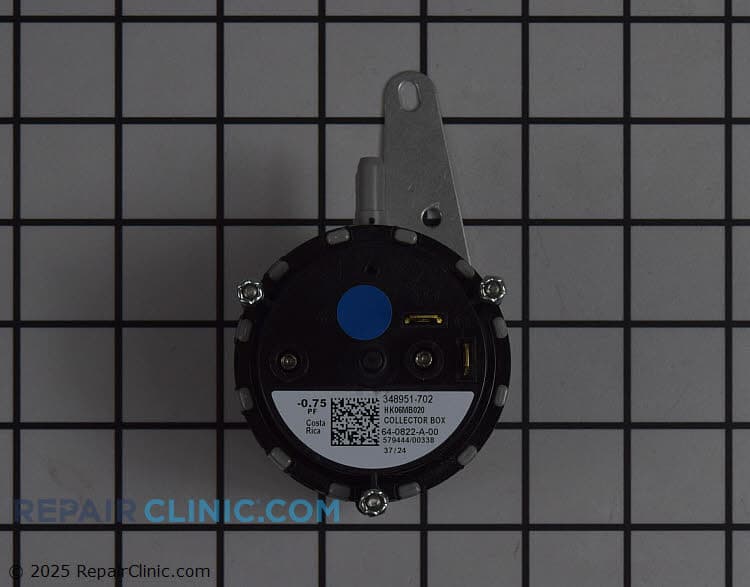
Pressure switch
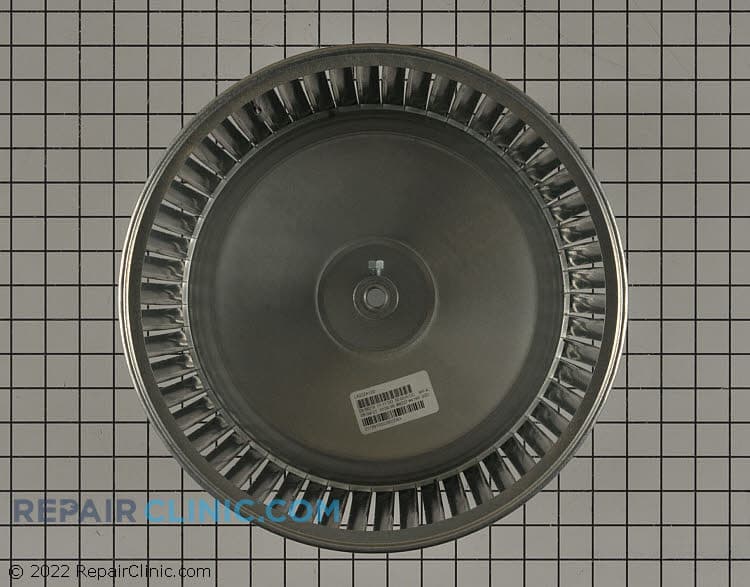
Furnace blower wheel. 12" X 11.93" 1/2" Bore. The blower wheel blows air out of the furnace and through the house. The blower wheel is attached to the blower motor shaft with a set screw. If the set screw is loose, the blower wheel will wobble on the motor shaft and be noisy as it turns.

Blower wheel for draft inducer motor 4" Diameter 1.5" Width
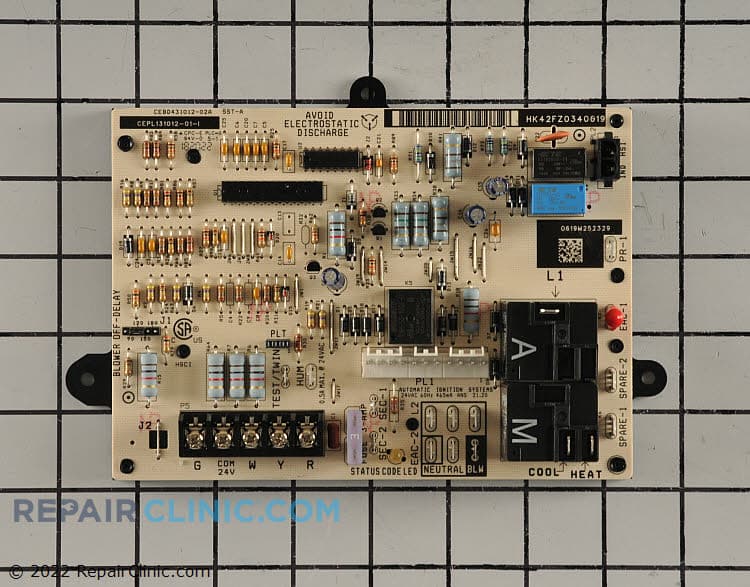
Carrier furnace control board, The control board regulates the supply of power to the furnace components. Be sure to check more commonly defective parts before replacing the control board.


Bryant Furnace Parts and High-Failure Parts
Bryant furnaces share engineering and many parts with Carrier due to their corporate relationship under Carrier Corporation. When your Bryant furnace stops heating or cycles erratically, the culprit is almost always one of a handful of common failure points. Hot surface igniters, draft inducer motors, pressure switches, and flame sensors account for the vast majority of Bryant furnace repairs — and all are straightforward replacements once you identify the problem.
Repair Clinic stocks genuine OEM Bryant furnace parts including control boards (CNT and IFC boards), gas valves, limit switches, capacitors, and blower assemblies. Because Bryant and Carrier parts cross-reference frequently, you'll often find exact replacements here even for older Evolution and Preferred series units. Always verify your model number before ordering — it's printed on the furnace nameplate or control board — to ensure you get the correct igniter type (silicon carbide vs. Silicon nitride), board voltage, and valve configuration.
- Hot surface igniters: furnace ignites then shuts off, or won't ignite at all; most common Bryant furnace repair
- Draft inducer motors: pressure switch won't stop tripping, furnace won't start, or you hear grinding/rattling from the exhaust vent
- Pressure switches: won't allow furnace to start; often caused by blocked drain or cracked hose, but the switch itself can fail
- Flame sensors: igniter glows but flame goes out within seconds after ignition
- Limit switches and control boards: furnace dead or error codes; IFC boards are model-specific and require exact OEM match
Popular Bryant Furnace Models
Related Bryant Furnace Parts
- Bryant Furnace Miscellaneous Parts
- Bryant Furnace Motor Parts
- Bryant Furnace Switch Parts
- Bryant Furnace Bracket & Flange Parts
- Bryant Furnace Compressor & Sealed System Parts
- Bryant Furnace Gas Burner & Control Valve Parts
- Bryant Furnace Blower Wheel & Fan Blade Parts
- Bryant Furnace Cap, Lid & Cover Parts
- Bryant Furnace Panel Parts
- Bryant Furnace Wire, Receptacle & Wire Connector Parts
- Bryant Furnace Fastener Parts
- Bryant Furnace Circuit Board & Timer Parts
- Bryant Furnace Door Parts
- Bryant Furnace Gasket & Seal Parts
- Bryant Furnace Capacitor Parts
- Bryant Furnace Filter Parts
- Bryant Furnace Fuse, Thermal Fuse & Breaker Parts
- Bryant Furnace Drip Bowl & Drip Pan Parts
- Bryant Furnace Duct & Venting Parts
- Bryant Furnace Insulation Parts
- Bryant Furnace Engine Parts
- Bryant Furnace Transformer Parts
- Bryant Furnace Hose, Tube & Fitting Parts
- Bryant Furnace Sensor & Thermistor Parts
- Bryant Furnace Igniter Parts
- Bryant Furnace Bearing Parts
- Bryant Furnace Heating Element Parts
- Bryant Furnace Pulley Parts
- Bryant Furnace Valve & Float Parts
- Bryant Furnace Thermostat Parts
- Bryant Furnace Manuals, Care Guides & Literature
- Bryant Furnace Pump Parts
- Bryant Furnace Adhesive
- Bryant Furnace Ignition Controls Parts
- Bryant Furnace Latch Parts
- Bryant Furnace Paint
- Bryant Furnace Axle, Roller, Shaft, Wheel Parts
- Bryant Furnace Knob, Dial & Button Parts
- Bryant Furnace Belt Parts
- Bryant Furnace Grille & Kickplate Parts
- Bryant Furnace Hinge Parts
- Bryant Furnace Shelf & Shelf Support Parts
- Bryant Furnace Tool
- Bryant Furnace Trim Parts
Bryant Furnace Parts: Frequently Asked Questions
Why does my Bryant furnace ignite then shut off after a few seconds?
This is the flame sensor failure pattern. The igniter reaches temperature and opens the gas valve, but the flame sensor doesn't detect the flame — or detects a weak flame — and the control board shuts down the burner as a safety measure. A dirty or cracked flame sensor is the #1 cause. Try cleaning the sensor with fine steel wool first (it's a $2 fix). If cleaning doesn't work, the sensor has failed and needs replacement. The sensor is a $15 to $40 OEM part and takes about 10 minutes to swap out.
My Bryant Evolution furnace won't start — where do I find the model number to order the right control board?
Open the blower compartment door or front panel of the furnace. The model number is printed on a silver/white nameplate (the equipment identification label) usually on the inside left wall or blower housing. It will read something like 381M or 384M (Evolution series). Write down the complete model number and enter it into Repair Clinic's parts lookup — the correct IFC or CNT control board will come up. Evolution communicating boards are proprietary; aftermarket boards will not work with your system. Always use genuine OEM Bryant or Carrier boards.
Can I use a Carrier igniter in my Bryant furnace?
Frequently yes — Bryant and Carrier share igniter part numbers in many cases, especially on Evolution and Preferred series furnaces built after 2010. However, igniter types vary: some models use silicon carbide (SiC), others use silicon nitride (SiN). The resistance and voltage specs must match exactly, or the gas valve won't open correctly. Always verify your furnace model number and cross-reference it to the correct OEM part number. Repair Clinic's lookup tool will confirm whether a Carrier igniter is correct for your Bryant, or if you need a Bryant-specific part.
My pressure switch keeps tripping even after I cleared the drain. Is it the switch itself?
Good troubleshooting. If the drain line is clear (no blockage), the hose isn't cracked, and the inducer motor is running smoothly, then the pressure switch itself may have failed. Pressure switches are around $30 to $50 and take about 15 minutes to replace. If the inducer motor sounds normal and the drain is clear but the switch keeps tripping, swap in a new OEM pressure switch — that's usually the answer.
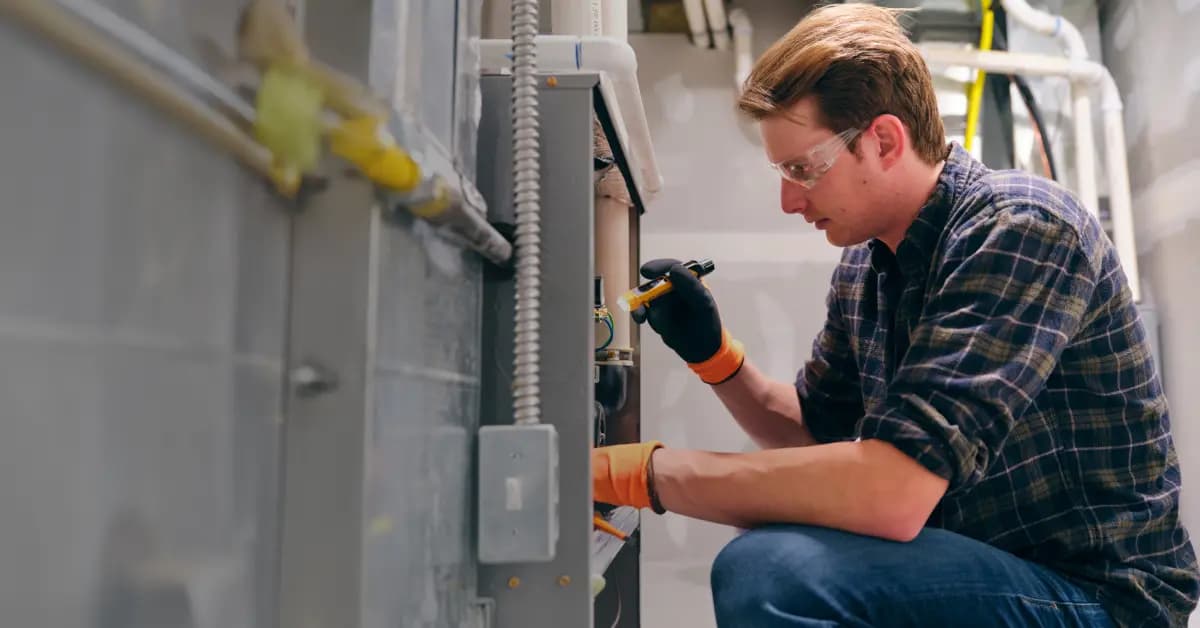
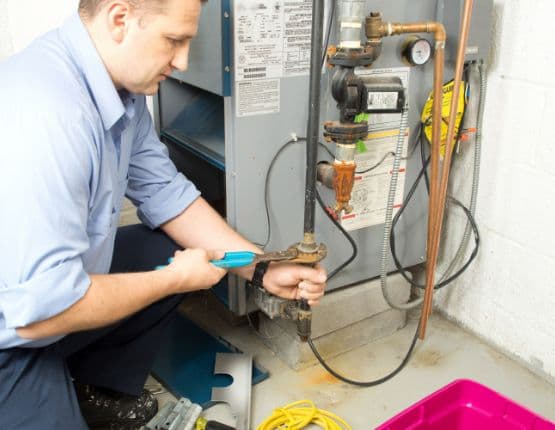
Order Bryant Furnace Replacement Parts Online
Maintain the efficiency of your Bryant furnace with high-quality replacement parts from Repair Clinic. Whether you need a Bryant pressure switch, igniter, draft inducer motor, or thermostat, we provide a complete selection of OEM Bryant furnace parts for reliable repairs. Search by model or part number for easy ordering.
With 365-Day No-Hassle Returns and our Price Match Guarantee, you can buy with confidence. Plus, same-day shipping on orders placed by 9:00 PM ET ensures you get your parts fast. Whether you're tackling a DIY repair or a professional technician servicing Bryant systems, Repair Clinic has you covered.
Bryant Furnace Model Number: Where to Look
On Bryant furnaces, look for the model number on the equipment nameplate inside the front access panel or blower compartment door. The label is commonly mounted on the inside cabinet wall or near the blower housing, and some units also show identifying information on the control board. Record the complete model number, including every letter and number. Type it into our model number lookup and the catalog narrows to parts made for your unit. Because the model number identifies the entire furnace, it filters the full selection of Bryant furnace parts, not just one part category. You can then match compatible parts faster and avoid ordering based on appearance alone.

Bryant Furnace Online Repair Guides, Videos, and Diagrams
Diagnosing a Bryant Furnace problem is easier when you have the right online reference material. Repair Clinic's video library, written repair guides, symptom articles, part testing walkthroughs, and exploded-view diagrams work together to guide you from the symptom to the correct part. Model number lookup confirms the exact OEM replacement so you order right the first time.
Related Furnace Repair Help Articles
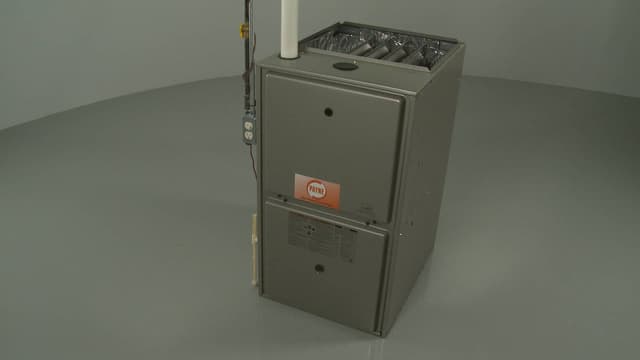
How To Replace a Circuit Board in Your Furnace
Replacing a malfunctioning furnace circuit board may be the key to restoring your heating system's functionality. This article provides a clear guide to understanding the role of the circuit board in a furnace's ignition sequence, common reasons for circuit board failure, and step-by-step instructions for replacing a furnace circuit board.
Why is My Furnace Not Working?
Learn why your furnace isn't working by understanding its ignition sequence and identifying common faulty parts like the igniter, flame sensor, or control board. This article provides practical repair tips and insights into each part's role in the heating process.
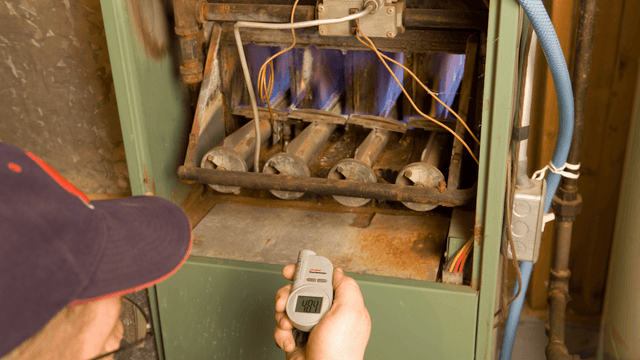
5 Causes of a Furnace Starting Then Stopping
A gas furnace that starts and then stops unexpectedly can be frustrating, especially during cold weather. This article explains five common causes, including issues with the flame sensor, pressure switch, control board, draft inducer fan motor, or air flow. Learn how each cause may impact your furnace's operation and get tips to resolve the problem.




Family-owned and operated since 1912, Burke America Parts Group is the longest-running genuine appliance, HVAC, and outdoor power equipment parts solution in North America. At Repair Clinic, we're proud to be an international brand trusted by the pros as well as the DIY community.
About Repair Clinic