


 Price Match Guarantee
Carrier Furnace Blower Motor Replacement
Find the right part faster
Multiple models matched. Select your model to confirm fit.




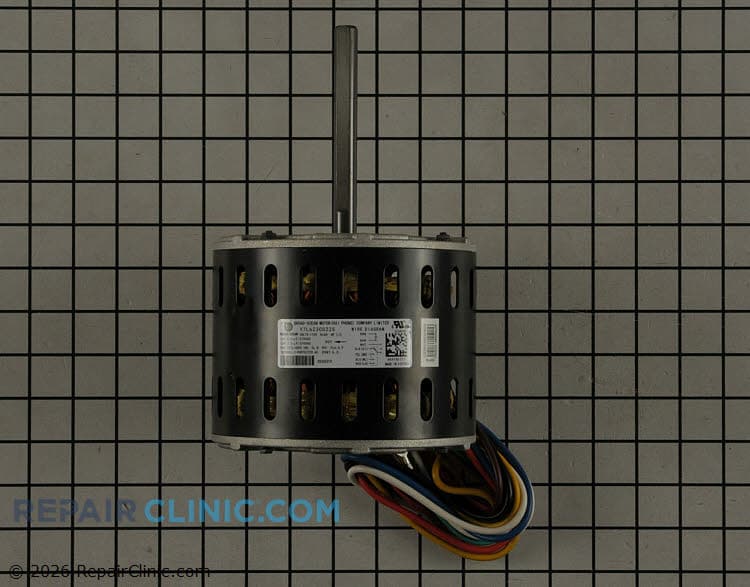
Furnace blower motor. This single-phase motor has the following specifications:
Horsepower: 1/3
Voltage: 115
Full-Load Amperage: 5.2
Hertz: 60
RPM: 1075
Speeds: 4
Rotation: Counterclockwise
Frame: 48
Enclosure: Open
Shaft Length: 3.9”
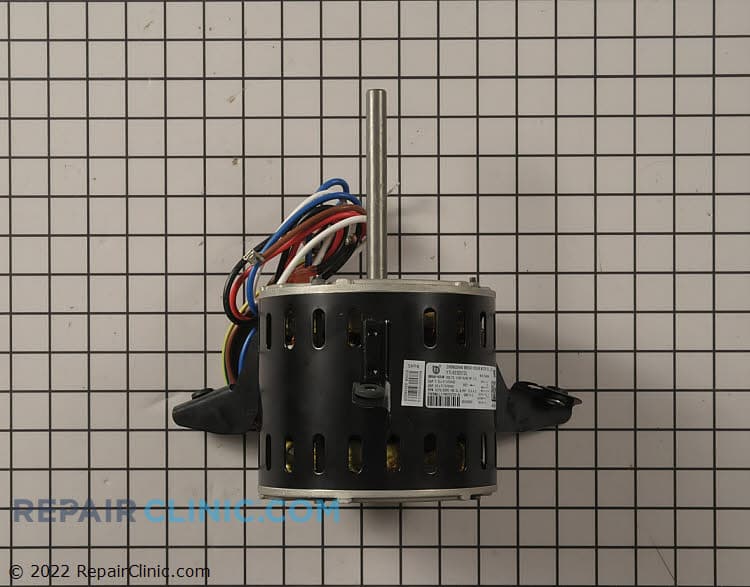
Blower Motor - 1/3HP 115Volts 60Hz 4.8 amp 1075 RPM's 3 Speed Open Enclosure 48Y Frame Single Phase CCW 4.73" Shaft
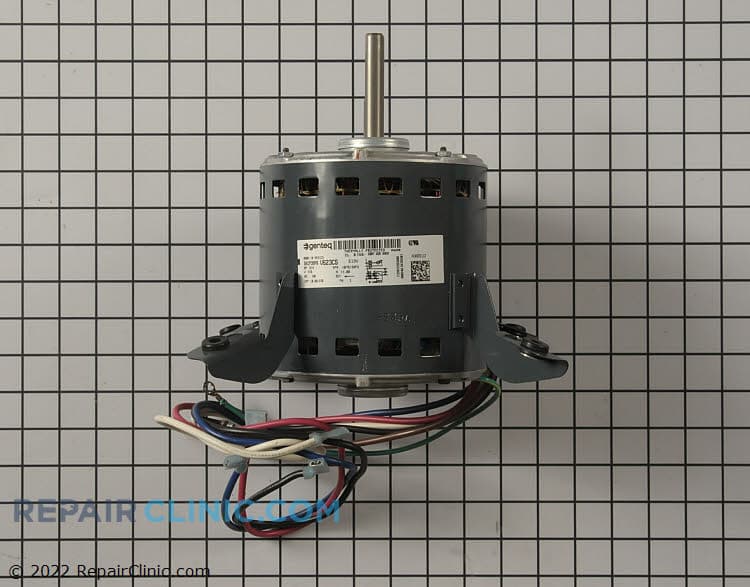
Furnace blower motor:
Horsepower: 3/4
Voltage: 115
Full-Load Amperage: 11
Hertz: 60
RPM: 1075
Speeds: 3
Rotation: Counterclockwise
Frame: 48
Enclosure: Open
Shaft Length: 4"
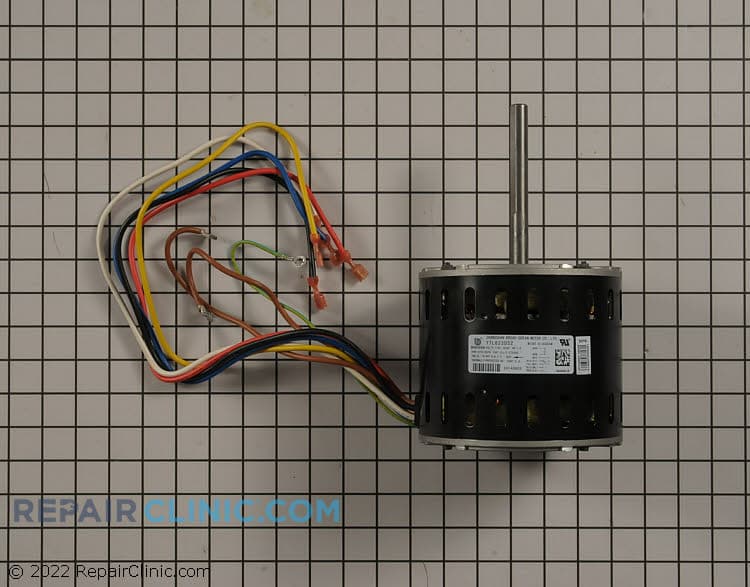
Furnace blower motor, 1/2HP 115V 1075RPM
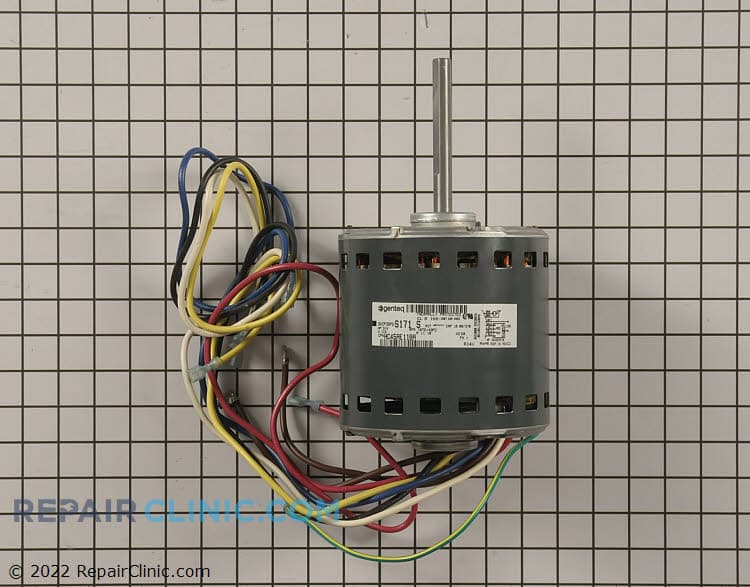
Carrier furnace blower motor. This single-phase motor has the following specifications:
Horsepower: ¾
Voltage: 115
FLA (full load amps): 11.1
RPM: 1075
Speeds: 4
Rotation: CCW
Frame: 48
Shaft Length: 4”
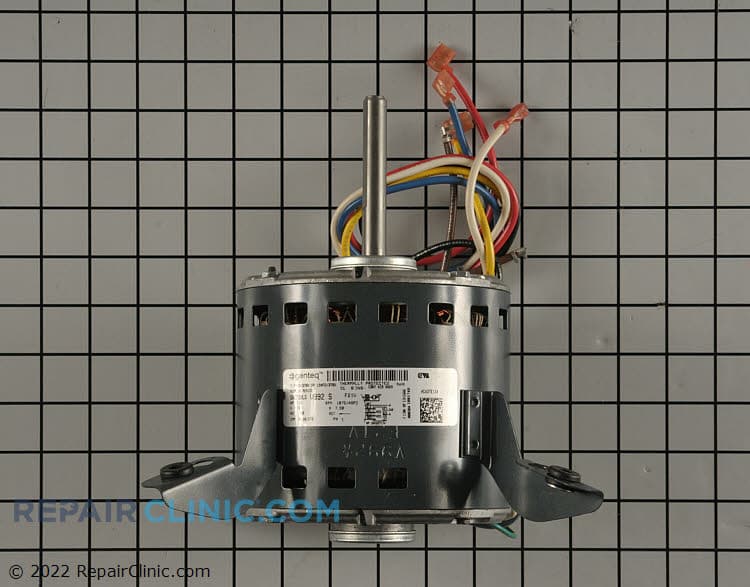
Motor,blower
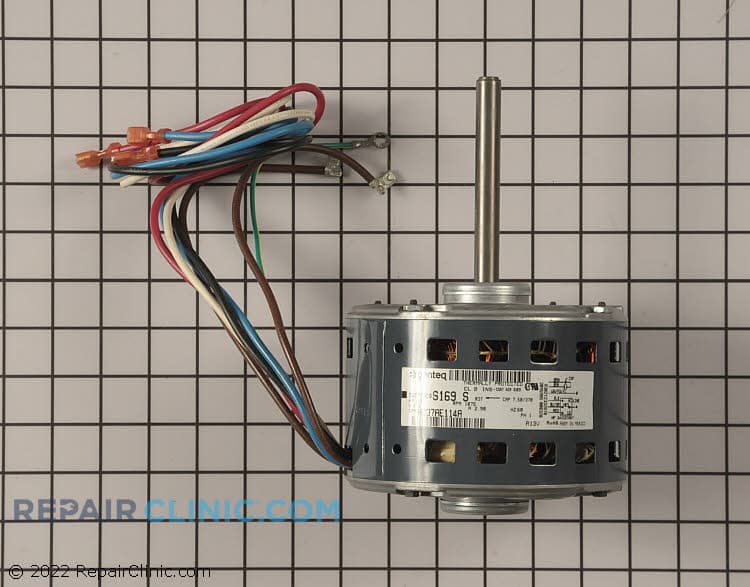
Blower motor, 1/5 HP, 115 volts, 60 Hz, 2.5 amps, 1075 RPM's, 3 speed, open enclosure, single phase, 4.5" shaft, counterclockwise rotation

Blower motor, 115V 1075RPM 1/2HP CCW
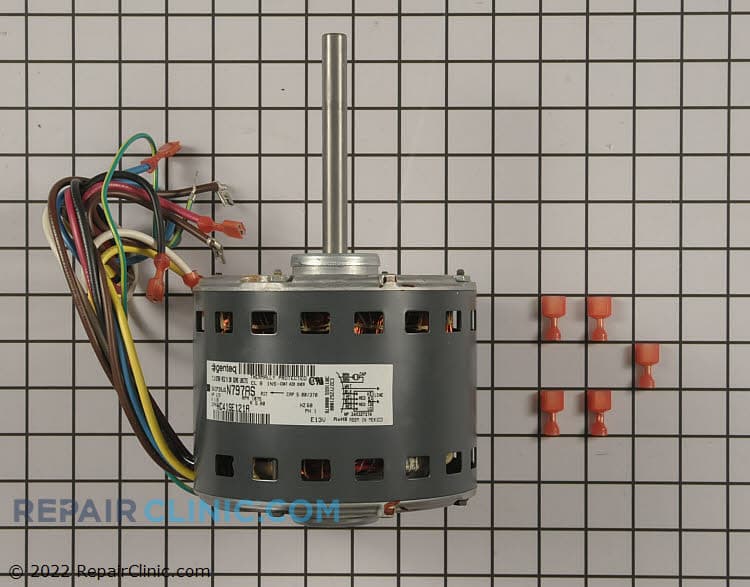
Blower Motor HC41SE121. 4-speed, ?-HP motor specifically designed for Carrier furnaces. It operates at 115V and 1075 RPM with a 5.6" diameter and features a counter-clockwise rotation. This motor is essential for repairs involving insufficient airflow or malfunctioning blower systems in furnaces.
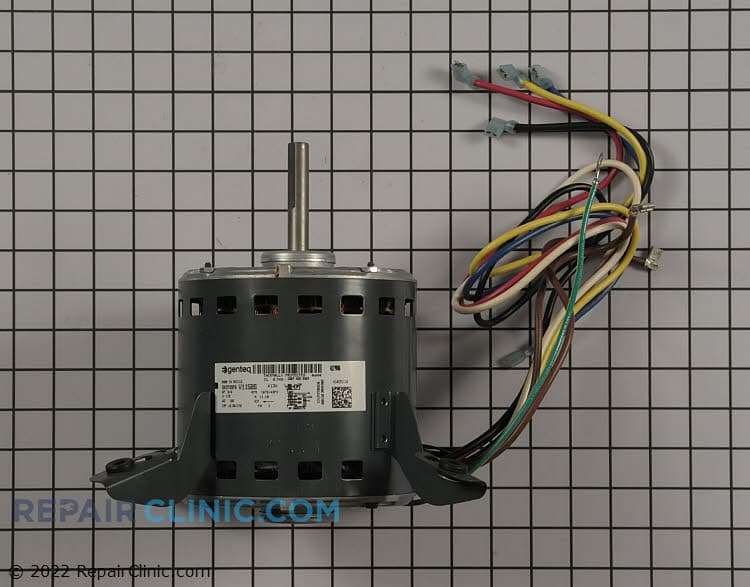
3/4HP 115Volts 60Hz 11.1 amp 1075 RPM's 4 Speed Open Enclosure 48Y Frame Single Phase CCW 2.5" Shaft
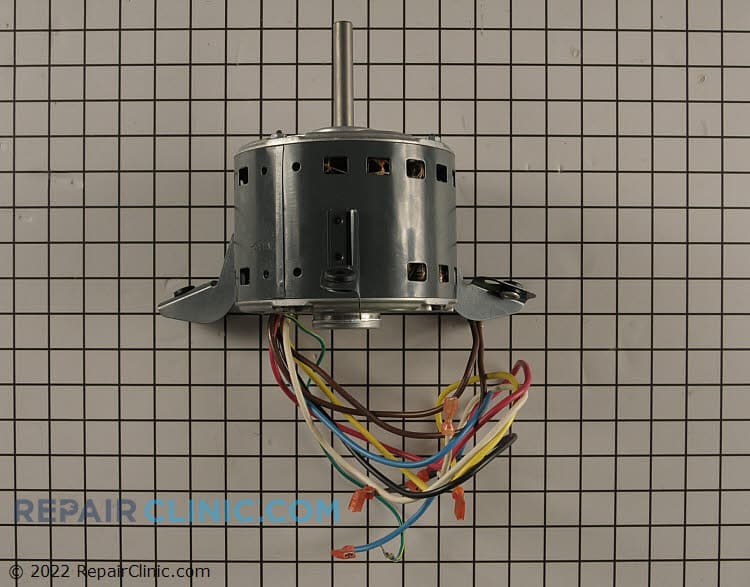
Blower motor 1/3 hp ccw rotation, 1075 rpm 115v
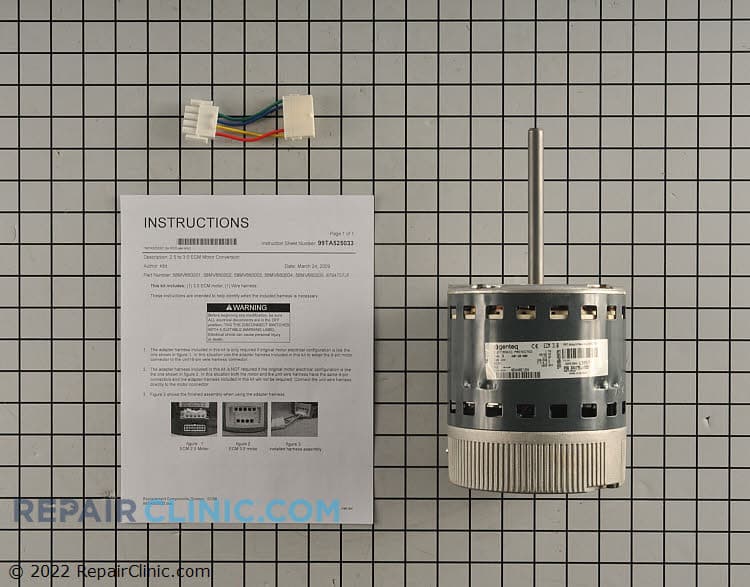
Ecm blower motor 1/2 hp 120/240 v 7.7/4.3 amp 1050
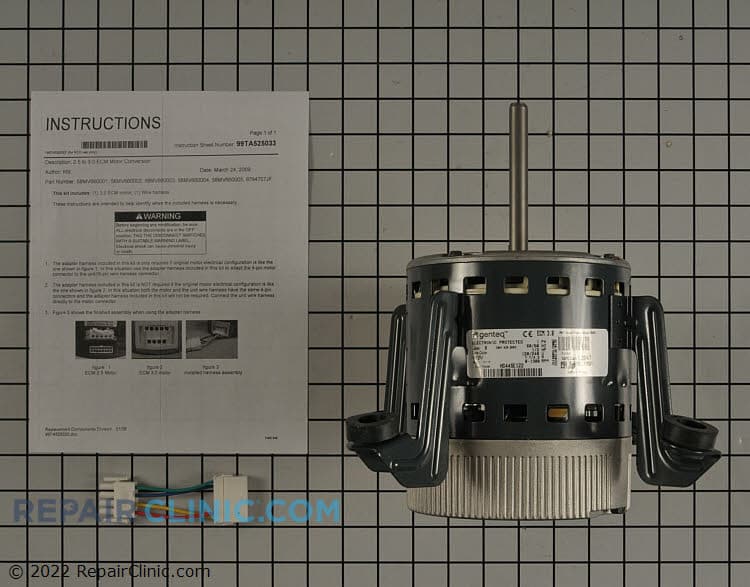
Ecm motor 1/2 hp 120/240 v 7.7/4.3 amp 1300 r
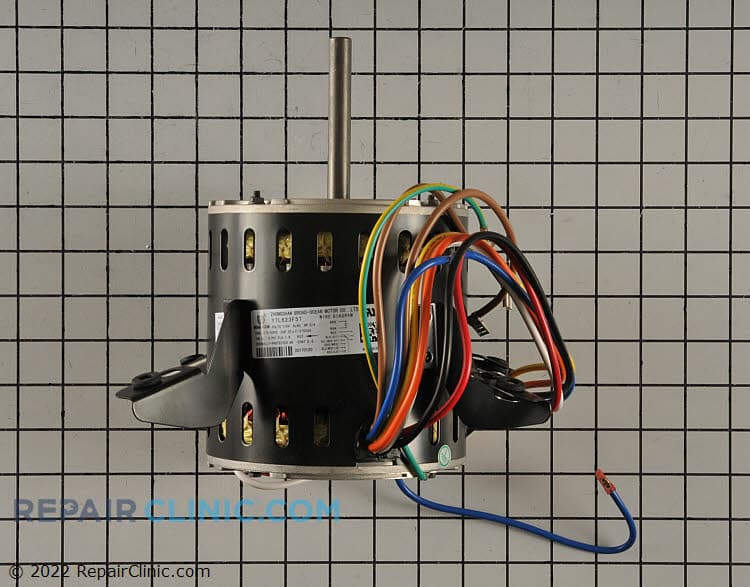
Motor,blower
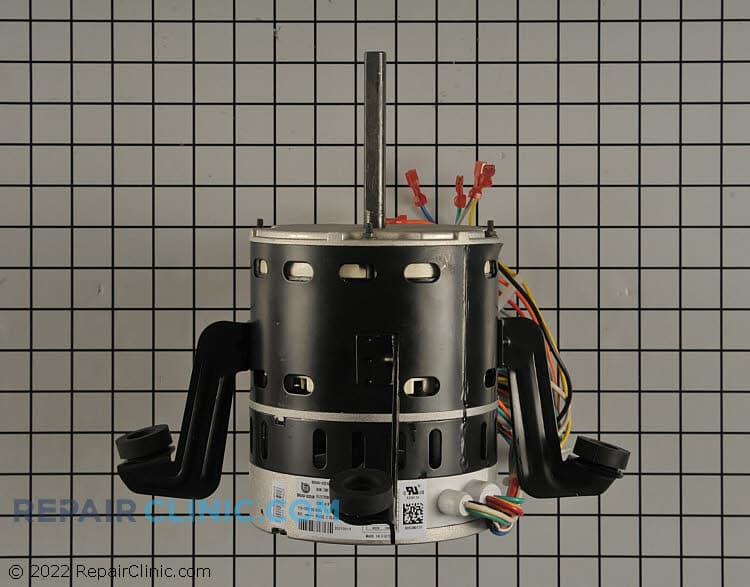
Motor, blower 1 hp ecm


Carrier Furnace Blower Motor Replacement Parts
Repair Clinic stocks genuine OEM Carrier Furnace Blower Motor parts that restore proper function and reliable performance. Common signs of failure include unusual noise, slow operation, or complete failure to run. Enter your model number to find the exact Carrier Furnace Blower Motor part you need, with same-day shipping on most in-stock items and a 365-day return policy.
Find a Replacement Carrier Furnace Blower Motor Online by Model or Part Number
Carrier Furnace Blower Motor Questions & Troubleshooting
When your Carrier furnace blower motor fails, it's usually one of a few common issues. Below are the most important questions homeowners and technicians ask when facing blower motor problems.
What causes a Carrier blower motor to fail?
Wear from age and heat is the #1 cause. Electrical surges, contamination, and mechanical stress also shorten blower motor life. Regular maintenance and using genuine OEM Carrier parts extend service intervals significantly.
How do I find my Carrier model number to order the right blower motor?
Look for a data plate or label on your Carrier unit — location varies by product type but is typically on the door frame, back panel, or inside the access panel. Enter the full model number in our search to match the exact OEM blower motor for your unit.
Are aftermarket parts compatible with Carrier models?
Some aftermarket parts work, but genuine OEM Carrier parts support proper fit and performance and guarantee exact fit. Aftermarket alternatives can vary in voltage, dimensions, and durability — OEM is the safer choice for critical parts.
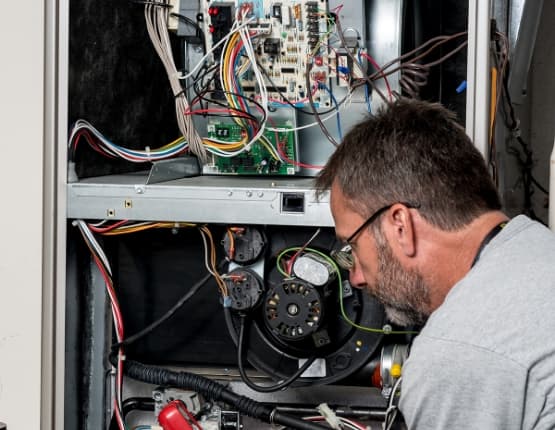
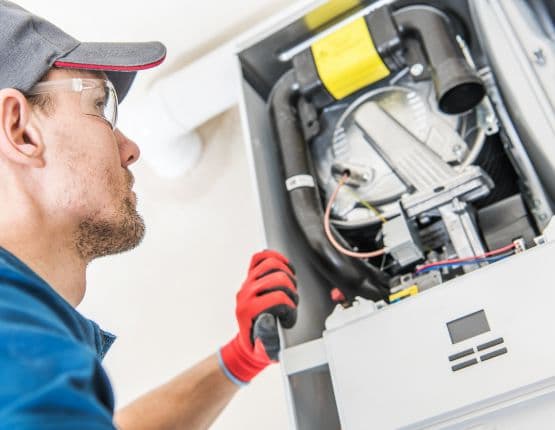
Order Carrier Furnace Blower Motor Replacement Online
Keep your Carrier furnace running efficiently by replacing a faulty blower motor promptly. With same-day shipping on most in-stock items, you'll have your replacement part fast, minimizing downtime. Our model/part number lookup finds the exact OEM part for your unit, and every order is backed by our 365-day return policy and price-match guarantee. If your Carrier furnace blower motor is failing — showing symptoms like reduced performance, unusual noise, or complete non-operation — replacement is typically the fastest fix. Browse our full library of Carrier repair resources for troubleshooting guides and installation videos.
Find the Model Number on Your Carrier Furnace
On Carrier furnaces, check the blower compartment door first for the rating plate or identification label. You may also find it inside the front access panel or near the gas valve. Look for the complete model number, not the serial number, and copy the letters, numbers, and any hyphens exactly as shown. Drop it into the search bar and you will see only the parts that fit your exact furnace model, including blower motors and other associated parts. Using the full unit model narrows the entire Carrier furnace parts catalog, so you can confirm compatibility before ordering. It is the quickest way to be sure the part fits before you order.

Carrier Furnace Troubleshooting and Repair Guides
Carrier Furnace problems usually trace back to a handful of common causes, and Repair Clinic's online resources help you find them fast. Symptom articles, diagnostic videos, and part testing walkthroughs guide you through the checks that isolate the failed part. Once identified, look it up by model number and follow the installation guide to complete the fix.
Related Furnace Repair Help Articles
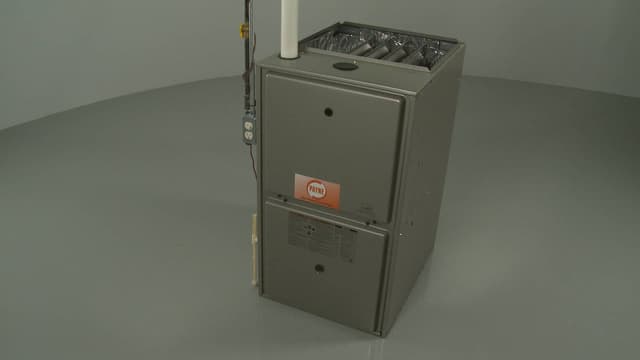
How To Replace a Circuit Board in Your Furnace
Replacing a malfunctioning furnace circuit board may be the key to restoring your heating system's functionality. This article provides a clear guide to understanding the role of the circuit board in a furnace's ignition sequence, common reasons for circuit board failure, and step-by-step instructions for replacing a furnace circuit board.
Why is My Furnace Not Working?
Learn why your furnace isn't working by understanding its ignition sequence and identifying common faulty parts like the igniter, flame sensor, or control board. This article provides practical repair tips and insights into each part's role in the heating process.
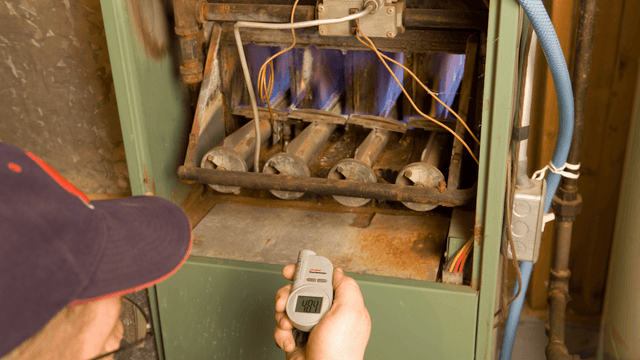
5 Causes of a Furnace Starting Then Stopping
A gas furnace that starts and then stops unexpectedly can be frustrating, especially during cold weather. This article explains five common causes, including issues with the flame sensor, pressure switch, control board, draft inducer fan motor, or air flow. Learn how each cause may impact your furnace's operation and get tips to resolve the problem.




Family-owned and operated since 1912, Burke America Parts Group is the longest-running genuine appliance, HVAC, and outdoor power equipment parts solution in North America. At Repair Clinic, we're proud to be an international brand trusted by the pros as well as the DIY community.
About Repair Clinic