


 Price Match Guarantee
Goodman Furnace Igniter Parts
Find the right part faster
Multiple models matched. Select your model to confirm fit.




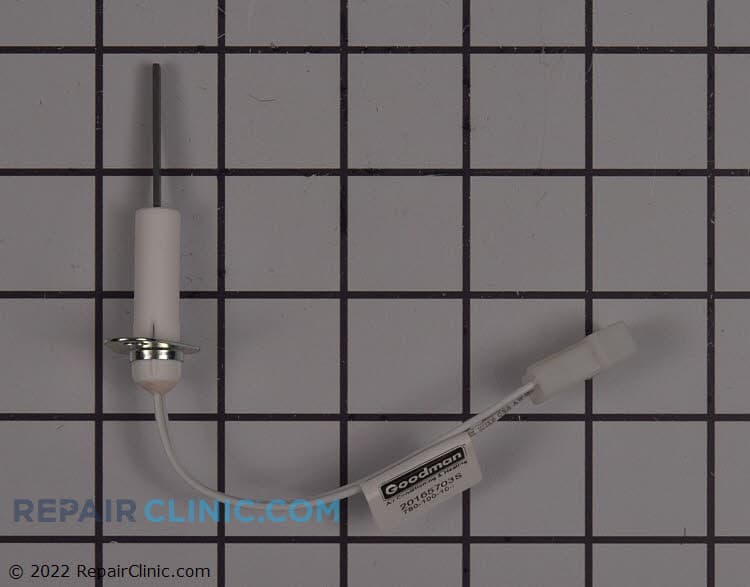
Mini hot surface igniter
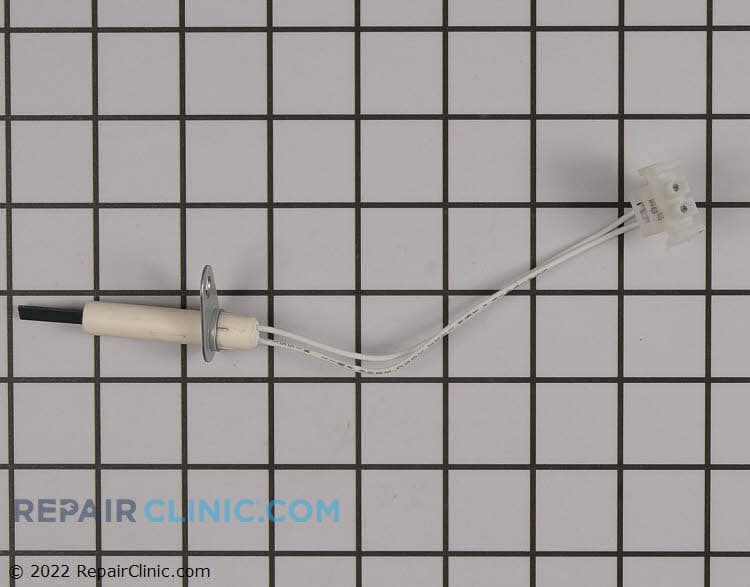
Gas furnace igniter
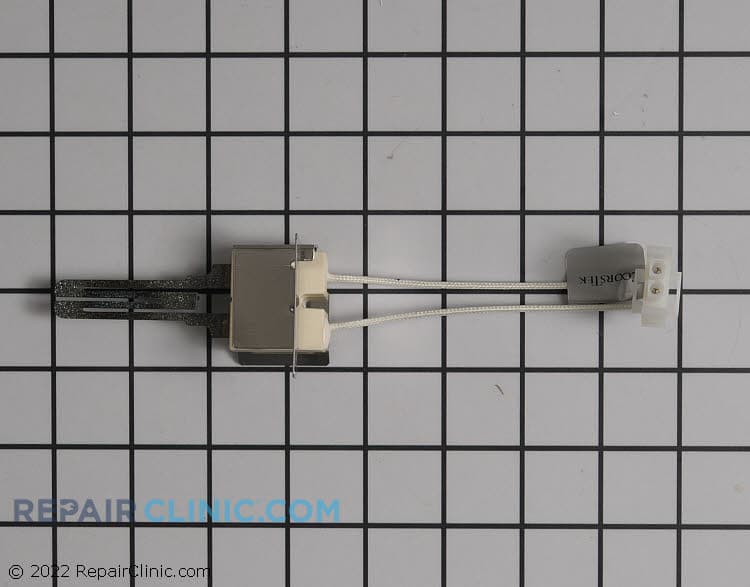
Furnace igniter
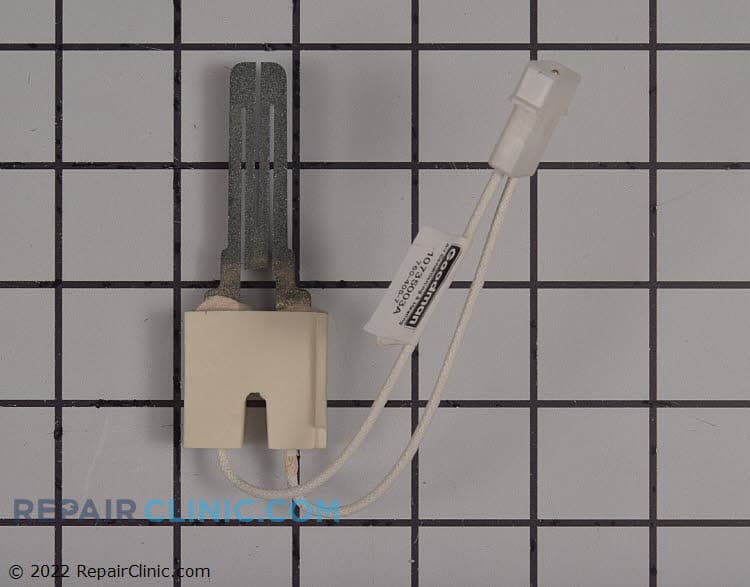
Hot surface igniter, furnace
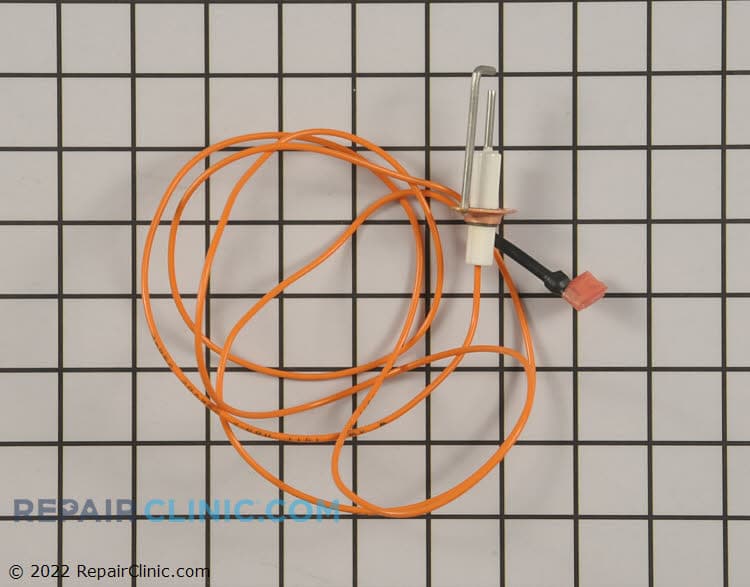
Spark igniter
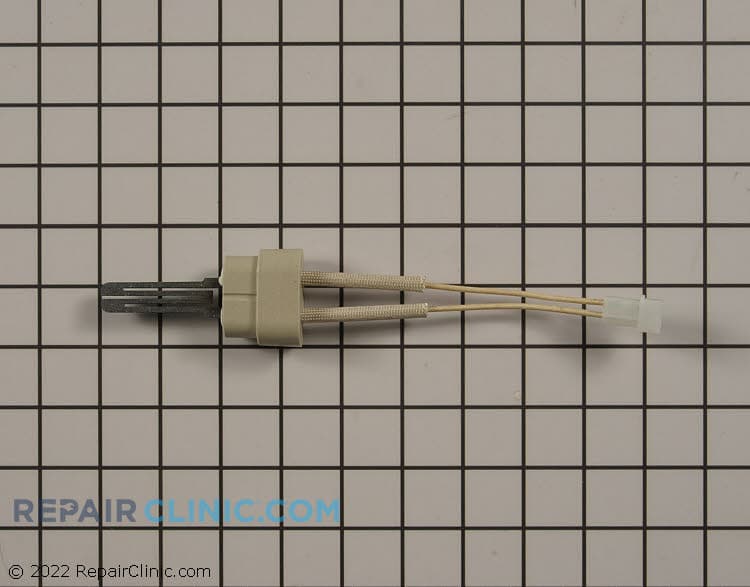
Hot Surface Ignitor With 5-1/2" Leads, A Style Mounting Block, Sealed Combustion, Insulation 200°C, Electrical Connection, Molex Internal Keyed Connector with .093" Male Pins, Includes Gasket, Replaces R/S 41-401
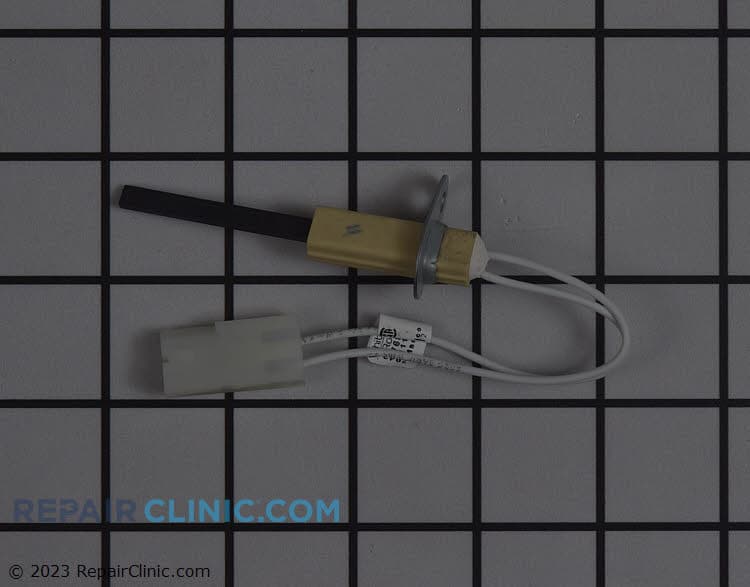
Ignitor-sini
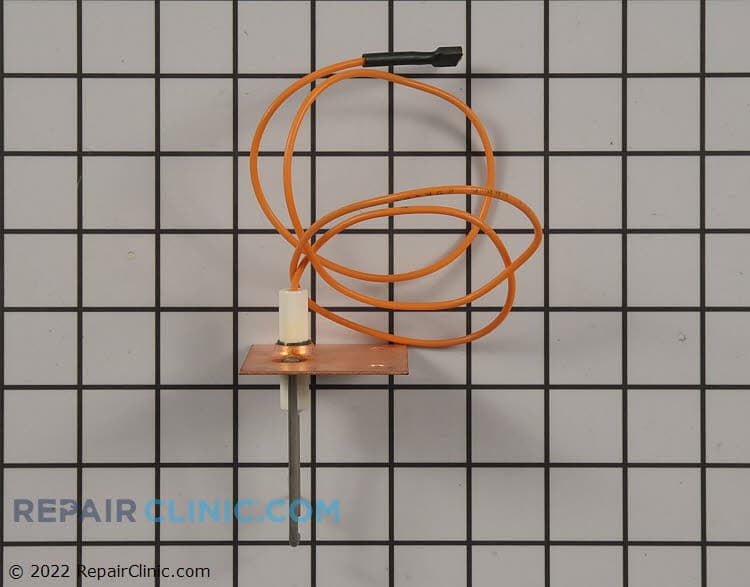
Direct spark ignitor

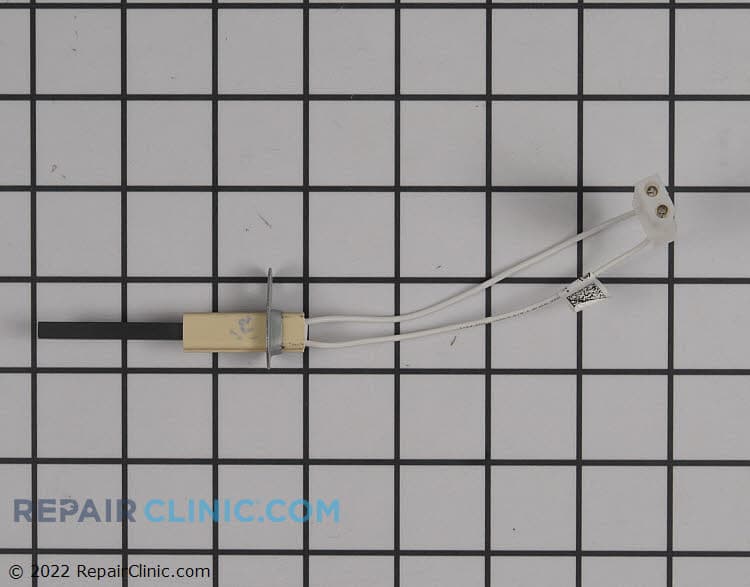
Silicon Nitride Igniter with wire harness
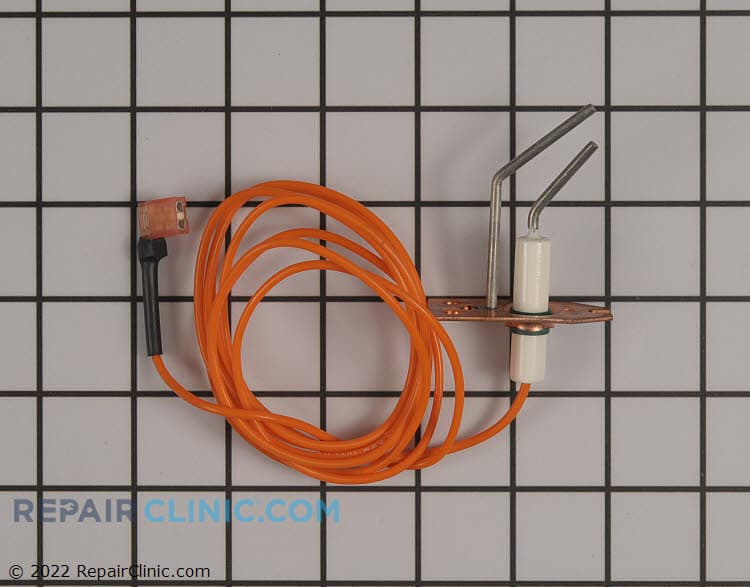
Ignitor
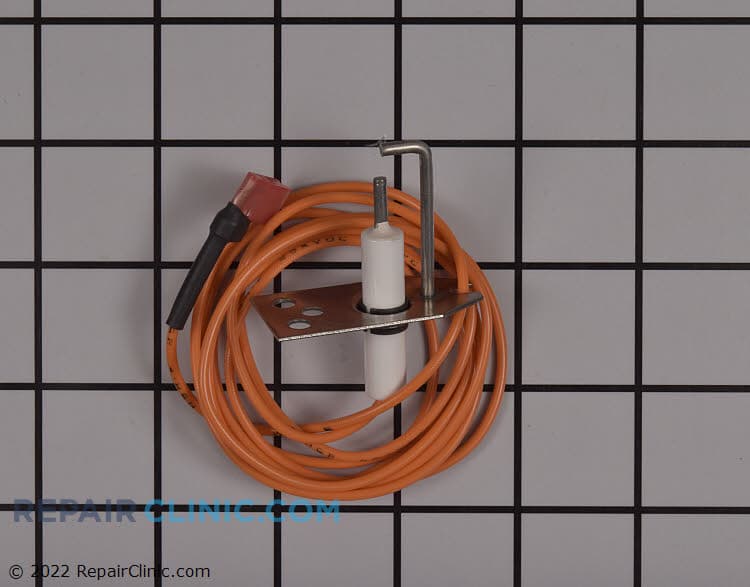
Direct Spark Ignition style gas furnace igniter


Goodman Furnace Hot Surface Igniter Parts
The hot surface igniter is the hardest-working part in your Goodman furnace — it glows orange to ignite the gas burner every heating cycle. When it weakens, glows dull, or doesn't glow at all, your furnace clicks on the burner but produces no heat. That's your cue: the igniter needs replacement. Silicon carbide and silicon nitride igniters look similar but aren't interchangeable, so verify your model number before ordering.
A failed Goodman igniter is one of the most common furnace repairs, and the good news is it's affordable and straightforward. Most homeowners can handle the replacement in under an hour with basic tools. OEM Goodman igniters maintain the exact resistance your control board expects, ensuring reliable starts every time.
- Igniter won't glow: dead element; no heat produced
- Igniter glows dull orange then goes out: weakening element; burner won't stay lit
- Igniter glows but burner doesn't light: check gas pressure and valve first, then igniter
- Furnace cycles on/off erratically: weak igniter causing intermittent ignition
- Clicking but no flame: igniter element has failed
Use Goodman Furnace Igniter Parts to find the exact igniter for your model, then enter your full model number in the parts finder to confirm whether you need SiC or SiN type.
Find Replacement Goodman Furnace Igniter Parts Online by Model or Part Number
Popular Goodman Furnace Models
Goodman Furnace Igniter Questions & Answers
What's the difference between silicon carbide (SiC) and silicon nitride (SiN) igniters?
Silicon carbide igniters are the older type — they glow red/orange and draw higher current (around 2 amps). Silicon nitride igniters are newer, more durable, and draw less current (around 0.8 amps). They're not interchangeable; using the wrong type can damage your control board or igniter. Always verify your model number or check the old igniter's label to see which type you have. Goodman uses both types depending on the furnace age and model line.
How do I know if my Goodman furnace igniter is really bad?
A visual inspection is the first step — if you can see a crack, dark burn mark, or the element looks dull instead of shiny metal, it's failed. If it glows at all but is dim orange instead of bright, it's weakening. You can also test continuity with a multimeter across the igniter leads (ohms scale) — a good igniter reads between 20 to 50 ohms depending on type. No continuity (reads infinite) means it's open and must be replaced. If there's continuity but it still won't heat, test voltage at the igniter terminals during a heating cycle — 120V AC across the igniter during ignition means the igniter itself has failed internally.
Can I use an aftermarket or universal igniter instead of OEM Goodman?
Aftermarket igniters are cheaper but unreliable on Goodman furnaces — they often have slightly different resistance values, which confuses your control board and causes erratic ignition or failure to light at all. OEM Goodman igniters are matched to your control board's specifications. It's worth the extra $15 to $20 to get the genuine part and avoid repeat failures or control board damage.
How do I replace a Goodman furnace igniter?
Turn off power to the furnace at the breaker, wait 5 minutes for capacitors to discharge, then locate the igniter (usually mounted near the burner). Disconnect the two-pin electrical connector, unscrew the igniter bracket (usually one screw), and pull the igniter away. Install the new OEM igniter in reverse order — align the mounting bracket, screw it down finger-tight, then connect the two-pin terminal. Restore power and test the heating cycle. If the furnace still won't ignite, check gas pressure, the flame sensor, and the pressure switch before troubleshooting further.
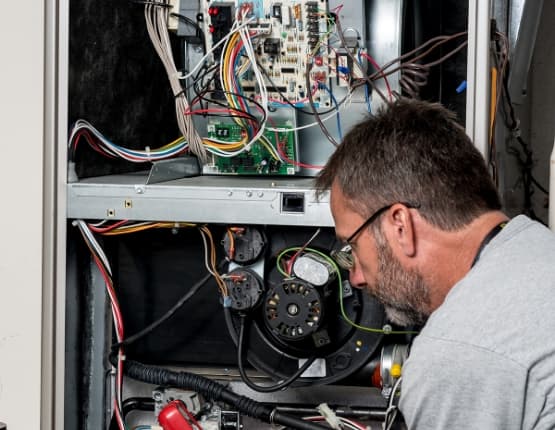
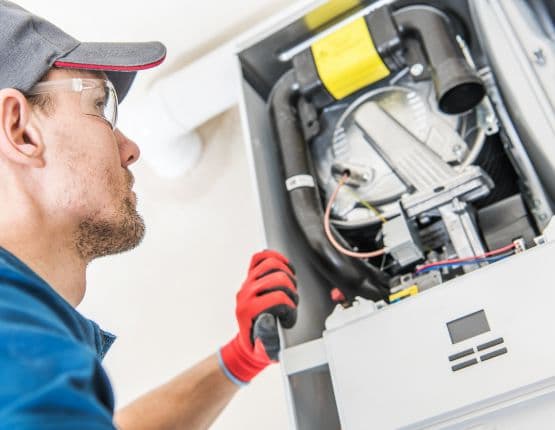
Order Goodman Furnace Igniter Parts Online
Shop for genuine Goodman furnace igniter parts at Repair Clinic and enjoy a reliable online ordering experience. We offer a No-Hassle 365-Day Returns policy, allowing you to return uninstalled parts within a year of purchase. Plus, our Price Match Guarantee ensures you get competitive pricing on all OEM replacement parts. Easily find the right igniter for your Goodman furnace by entering the model or part number in our search tool. Our same-day shipping option means you'll receive your parts quickly, minimizing downtime. Whether you're a DIY enthusiast or a professional technician, Repair Clinic provides the peace of mind you need with expert support. Visit our replacement parts page for more details.
Goodman Furnace Model Number: Where to Look
On Goodman furnaces, look for the model number on the blower compartment door, inside the front access panel, or near the gas valve. The rating plate also lists the serial number, so be sure to copy the model number exactly, including letters, numbers, and any hyphens. Enter that information in the model number search, and the catalog will narrow to parts made for your complete furnace model, not just one part. Using the full model number helps account for differences between Goodman furnace series and production versions. It is the quickest way to be sure the part fits before you order.

Videos, Guides, and Diagrams for Goodman Furnace Repairs
Diagnose and fix your Goodman Furnace with Repair Clinic's online repair library. Video walkthroughs, step-by-step written guides, exploded-view diagrams, and part testing tutorials help you identify the failed part. Look up your model number to match the exact OEM replacement, then follow the installation video from start to finish.
Related Furnace Repair Help Articles
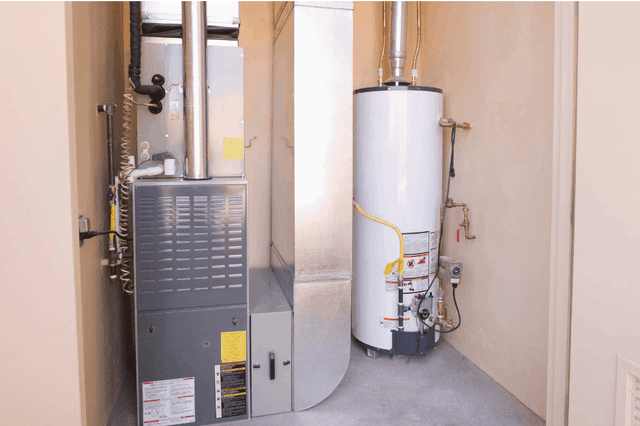
Top Reasons Furnace is Not Igniting
A furnace that fails to ignite can leave your home in the cold. Common issues include a faulty igniter, malfunctioning flame sensor, or a defective draft inducer fan motor. Replacing furnace filters and cleaning furnace parts can help prevent these problems.
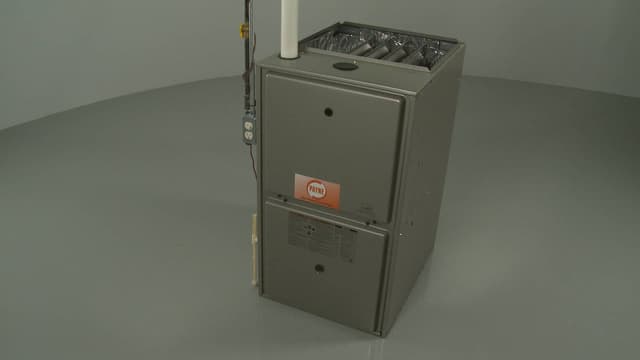
Why is My Furnace Not Working?
Learn why your furnace isn't working by understanding its ignition sequence and identifying common faulty parts like the igniter, flame sensor, or control board. This article provides practical repair tips and insights into each part's role in the heating process.
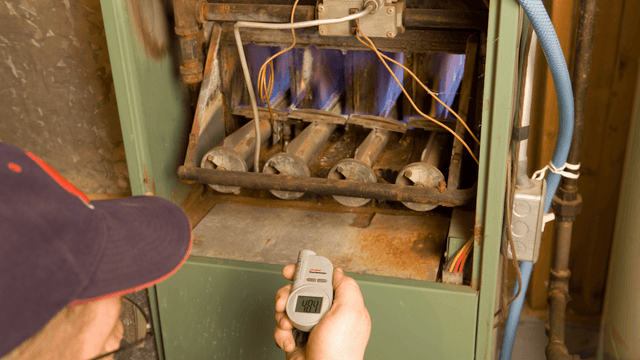
5 Causes of a Furnace Starting Then Stopping
A gas furnace that starts and then stops unexpectedly can be frustrating, especially during cold weather. This article explains five common causes, including issues with the flame sensor, pressure switch, control board, draft inducer fan motor, or air flow. Learn how each cause may impact your furnace's operation and get tips to resolve the problem.




Family-owned and operated since 1912, Burke America Parts Group is the longest-running genuine appliance, HVAC, and outdoor power equipment parts solution in North America. At Repair Clinic, we're proud to be an international brand trusted by the pros as well as the DIY community.
About Repair Clinic